Side A · Liner notes
MLB Attendance Hits New Heights, but Labor Concerns Loom Large
Basketball · Words by Eric Fisher · Released
MLB's attendance continues to rise, recording over 71.75 million fans this season, but labor disputes threaten to halt the momentum.
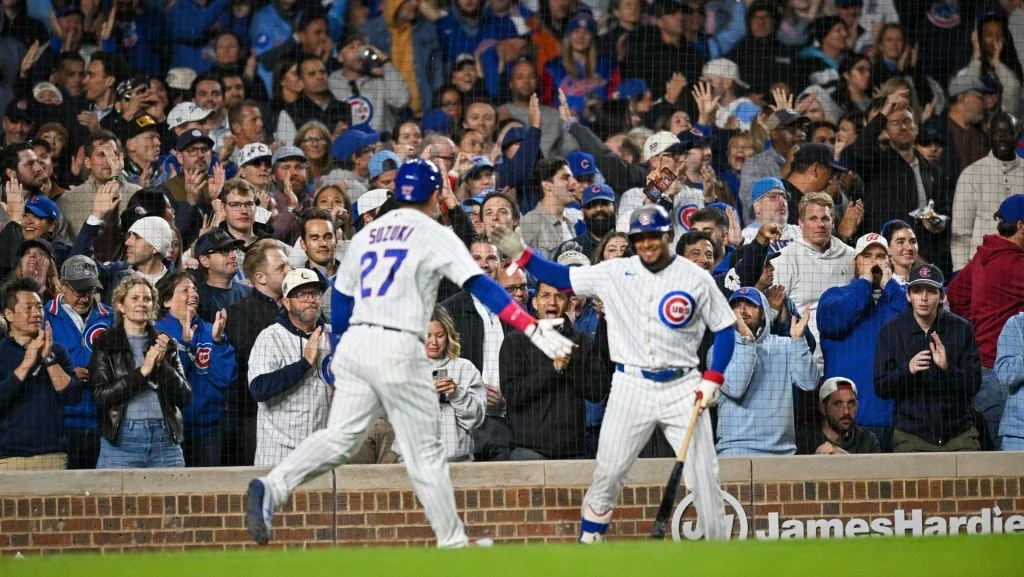
Major League Baseball (MLB) has celebrated a significant achievement, marking its fourth consecutive year of attendance growth, a streak that hasn't been seen in nearly two decades. The 2026 season concluded with an impressive total attendance of 71.75 million—an average of 29,540 fans per game—reflecting a 0.5% increase from the previous year. This consistent uptick in attendance is noteworthy, considering the league's last four-year growth period occurred between 2004 and 2007.
Even amidst star injuries, including renowned players like Shohei Ohtani from the Los Angeles Dodgers and Aaron Judge of the New York Yankees, fans have shown remarkable resilience and support for the sport. The positive reception to recent rule changes, such as the pitch clock and the automatic ball-strike system, has played a significant role in enhancing game pacing and overall viewer experience.
Attendance Breakdown
Several key attendance highlights emerged from the 2026 season. The Los Angeles Dodgers maintained their position as the league leaders in attendance for the 13th consecutive year, welcoming a record 4.03 million fans to Dodger Stadium. This impressive figure included 40 games drawing over 50,000 fans and 14 sellouts, showcasing the franchise's strong market presence. Conversely, the Oakland Athletics struggled this season, playing out of a minor league ballpark in Sacramento, and finished with the lowest attendance at 799,240.
A major turnaround was evident in the attendance of the Tampa Bay Rays, who nearly doubled their figures to reach 1.4 million after returning to their renovated home at Tropicana Field. Meanwhile, the Chicago White Sox capitalized on a playoff push, experiencing the largest organic attendance increase of over 535,000, ending the season with a robust 1.99 million.
The New York Mets faced a disappointing decline, however, as their second consecutive season missing the playoffs led to a drop of more than 472,000 fans. They ended the year with an attendance total of just 2.71 million at Citi Field—a stark reminder of how performance can impact fan engagement.
Labor Discord Ahead
While the current attendance growth indicates a thriving interest in the league, looming labor issues threaten to overshadow this progress. The MLB players and owners are caught in a serious dispute as the existing collective bargaining agreement (CBA) is set to expire on December 1. There are widespread expectations of a management lockout following the expiration, with contentious points such as the owners' pursuit of a salary cap marking the rift between the two sides. The players' union has strongly opposed this cap, fearing it could drastically alter the landscape of player compensation.
This isn't the first time labor disputes have put a strain on MLB; the cancellation of the 1994 World Series and the subsequent abbreviated 1995 season serve as a historical warning. It took an extensive 12 years for the league to fully recover attendance levels post-1994, a time marked by notable events including Cal Ripken Jr.'s record of consecutive games played, the home run race of Mark McGwire and Sammy Sosa, and the emergence of the New York Yankees dynasty. The league benefited during that period from significant developments such as new ballparks and a host of superstar players captivating fans.
A Fragile Future
As the 2026 season concludes, the growth in attendance is encouraging, yet the future hangs in a delicate balance. If labor issues escalate, the suspension of play could alienate fans once more, impacting future attendance. Such a scenario could replicate the past's severe backlash, which has the potential to deter casual fans, who might opt for other forms of entertainment. A robust recovery phase may be necessary for MLB to regain lost trust and attendance if labor disputes lead to similar outcomes as previous storied conflicts.
In closing, while MLB can revel in the current attendance records, the looming labor disputes cast uncertainty on this flourishing chapter. The hope among fans and stakeholders alike is that constructive dialogue can prevail, allowing baseball to sustain its momentum and charm audiences across the nation.


