Side A · Liner notes
The Evolution of Japanese Baseball: Strategies Against MLB’s Talent Exodus
Basketball · Words by Joshua Mellin · Released
Japanese baseball is redefining its approach to talent retention and global presence amidst the MLB talent drain, focusing on modernization and overseas appeal.
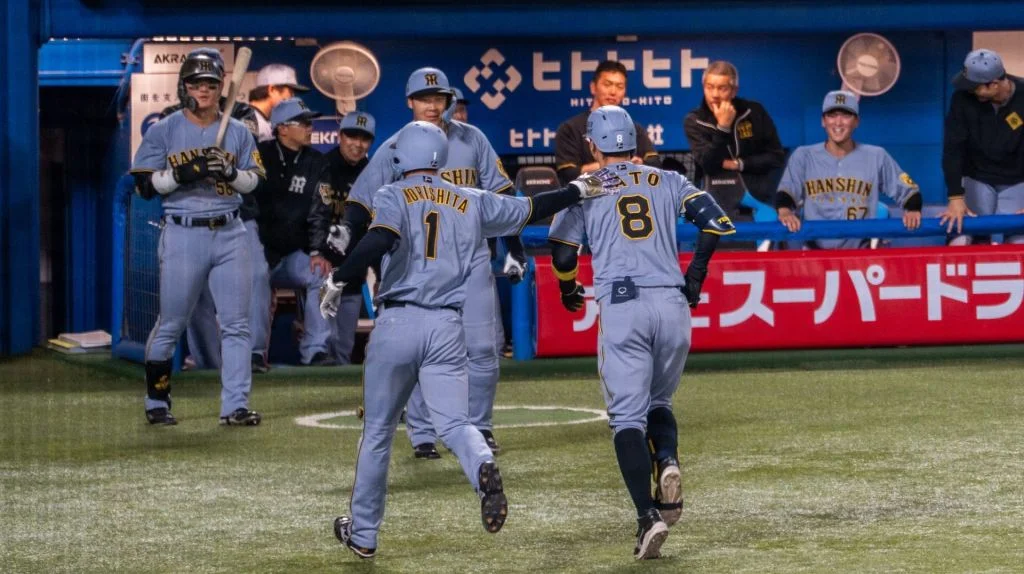
When Munetaka Murakami made the leap from Nippon Professional Baseball (NPB) to Major League Baseball (MLB), skepticism surrounded his potential to replicate his extraordinary success in the U.S. After smashing the NPB single-season record with 56 home runs for the Tokyo Yakult Swallows, he was unexpectedly overlooked by many MLB teams. However, the Chicago White Sox seized the opportunity, signing him to a lucrative two-year, $34 million deal starting in 2026.
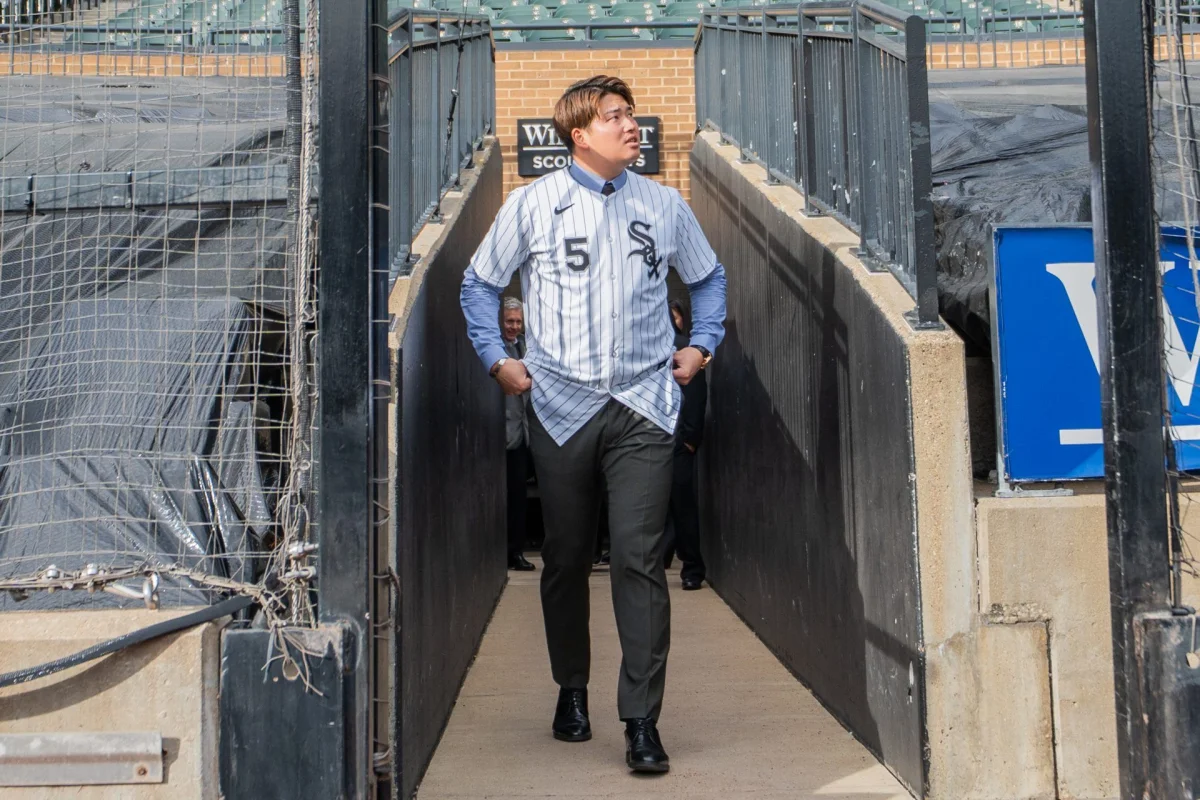
Murakami made an immediate impact, hitting a rookie record of 20 home runs before June, spearheading the White Sox to first place in their division. Despite a leg injury sidelining him for part of the season, his return included a spot as the second Japanese player in the Home Run Derby. His presence is not only a boost on the field but has also contributed to the clubhouse atmosphere, showcasing the broader social impact of Japanese stars in MLB. As the White Sox aim for postseason success, Murakami’s performance will be crucial.
Murakami's success symbolizes a star-studded exodus of talent from NPB to MLB, including names like Shohei Ohtani and Ichiro Suzuki. Despite having global stars, NPB functions as a competitive league in its own right, attracting over 25 million fans annually across its twelve franchises, with stadiums often surpassing 80% capacity. The strength of baseball hinges on the synchronization of both leagues, where Japanese talent has historically enriched the MLB landscape. Icons such as Hideki Matsui, who clinched the World Series MVP, Hideo Nomo, and Yu Darvish are testament to the impact of Japanese players in the American game.
The Posting System Explained
MLB franchises have shifted their perception of Japanese players from mere curiosities to critical components of their rosters. RJ Lara, director at the National Baseball Hall of Fame and Museum, notes that teams have learned to incorporate the playing styles and habits of Japanese talent into their systems.
The interest from MLB is keen, but the pathway to American contracts isn't straightforward. NPB players must complete nine years of professional service before they can directly enter international free agency. Alternatively, their current team must consent to "post" them for MLB, resulting in a financial transaction based on the player's new contract, creating a documented connection that has evolved since 1964. The original incident involving Masanori Murakami and the San Francisco Giants laid the groundwork for today’s posting system, which ensures that Japanese clubs benefit financially when their players move to the U.S.
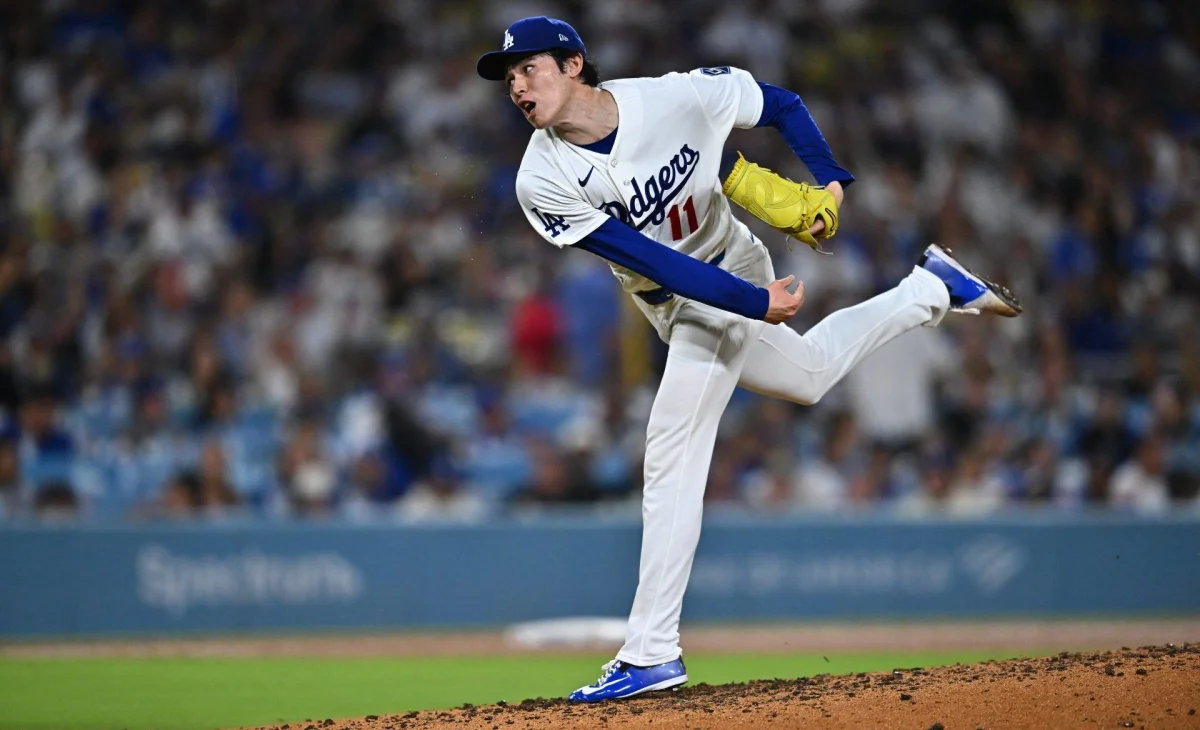
Despite the lucrative nature of posting fees, teams are sometimes reluctant to let go of superstar talent. A refusal can lead to player dissatisfaction, potential discord within the team, and a negative impact on the recruitment of new talent. The financial incentives for NPB clubs are significant, with MLB teams liable to pay a release fee ranging from 15% to 20% based on the player's contract value. For instance, the Orix Buffaloes secured over $50 million when Yoshinobu Yamamoto moved to the Dodgers, illustrating the immense economic potential of these transfers.
This year alone, along with Murakami’s move, the Toronto Blue Jays signed Kazuma Okamoto from the Yomiuri Giants, marking a historic first for the prestigious franchise. The financial returns for NPB teams can be substantial, but posting contracts can also present risks, particularly if players do not meet anticipated performance levels in MLB, as proved to be the situation with both Murakami and Okamoto who signed contracts lower than earlier projections.
New Exit Strategies and Emerging Talent
As the dynamics of player movement evolve, Japanese prospects are becoming more inventive with their career paths. A trend indicates young players expressing a desire to transition to MLB before fulfilling the nine-year requirement, often at just 25 years old or with fewer than six years of experience, which positions them for entry under MLB’s international signing rules instead of NPB.
One notable example is Roki Sasaki, who pushed for an early posting from the Chiba Lotte Marines, allowing him to join the Los Angeles Dodgers before turning 25. His departure represents the financial implications that come from posting early, as the Marines could have potentially captured more revenue had he remained longer. After a successful stint in MLB, Sasaki's ability to command attention illustrates the growing trend of exiting NPB preemptively.

In another twist, Rintaro Sasaki, considered a hot prospect, opted to play at Stanford, navigating away from NPB entirely to retake control of his future and directly declare for the MLB draft. The Miami Marlins selected him in the 2026 draft, as he turned down a return to the Fukuoka SoftBank Hawks, illustrating a strategic departure from traditional pathways.
Franchises Adapt to New Realities
This influx of new challenges has prompted NPB clubs to rethink their strategies. Rather than relying solely on posting fees for financial sustenance, organizations are investing in ballpark infrastructure, enhancing digital presence, and elevating their stadiums into year-round attractions for fans. The Tohoku Rakuten Golden Eagles, following the loss of Yuki Matsui to the Padres, reframed their strategy, regarding the transfer fee as a reinvestment opportunity into the club’s infrastructure and talent pool.
Yuki Okamura from the Eagles noted, “We position these funds as a sustainable source of reinvestment for our future,” emphasizing the shift in mentality as NPB teams navigate the financial landscape spurred by international talent movement.
Notably, franchises are leveraging international markets. The Yomiuri Giants have been expanding their reach through social media and advertising to attract overseas fans. The Hokkaido Nippon-Ham Fighters are integrating global appeal into their stadium infrastructure, creating a destination that embodies baseball culture while appealing to international tourists.
However, there remains a significant concern for NPB: sustaining international interest in its league amidst the global spotlight. The Korea Baseball Organization previously experienced a surge in attention during the global sports shutdown, but has struggled to maintain viewer engagement. This has illuminated potential pitfalls for NPB, emphasizing the need for a strategic approach to global outreach.
The departure of star players is now integrated into Japanese baseball's business model as they are increasingly viewed as international ambassadors. Presenting talent as part of the global baseball landscape rather than purely losses can foster broader market inclusivity.
“Through the success of players such as Shohei Ohtani, awareness of the Fighters has expanded well beyond Japan,” remarked Wesley Chang of the Fighters. This recognition can convert departing players’ achievements into long-term fan loyalty for NPB clubs.
Lara reinforces this sentiment by asserting, “Baseball is an entirely global sport now,” urging Japanese teams to embrace the reality of international player migration as part of their evolution. By utilizing star alumni as brand ambassadors and nurturing international fan engagement, NPB can fortify its standing as a leading player in the world of baseball.


