Side A · Liner notes
White Sox ALDS Game 4 Analysis: Will Venable's Pitching Decisions Spark Debate for Game 5
Basketball · Words by Jim Margalus · Released
In a nail-biting Game 4, the White Sox faced tough pitching choices, leading to critical implications for their Game 5 strategy in the ALDS.
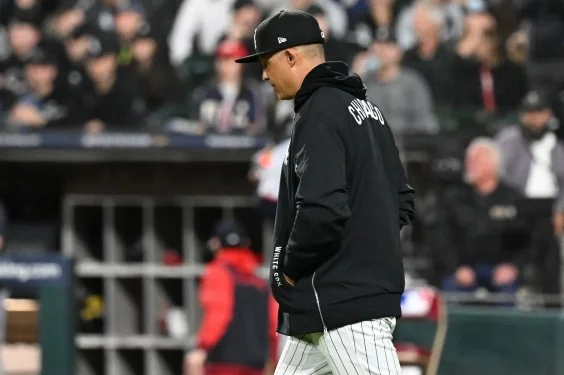
The Chicago White Sox's pitching strategy during Game 4 of the ALDS raised eyebrows as manager Will Venable faced tough decisions while trying to defend a slim one-run lead in the late innings. The result was a 9-5 defeat that not only ended their hopes of clinching the series but also set the stage for pivotal choices as they head into Game 5 against the Guardians.
Missed Opportunities and Tactical Decisions
Venable had several options at his disposal which, if executed differently, might have altered the outcome. The initial move to start Erick Fedde proved problematic when he surrendered a leadoff home run to Patrick Bailey—a harbinger of troubles to come that would see him only retire two batters while giving up hard-hit balls. After back-to-back hits, Fedde was pulled. Those decisions always carry hindsight judgment, but the urgency of the situation placed immense pressure on Venable’s shoulders.
Then came Jordan Hicks, who, despite being the team’s second-best performer on the mound so far this postseason, faced immediate adversity upon taking the hill. His two-run homer given up to Cleveland's José Ramírez showcased how swiftly a promising situation can unravel. Now, one has to wonder whether sticking with Hicks longer might have changed the calculus, allowing him to navigate through more than just one batter.
The Taylor Test and Its Implications
Venable's last-ditch effort involved bringing in Grant Taylor, who stepped onto the mound with the weight of the game squarely on his shoulders. Coming in during the sixth inning, with a runner already on second, Taylor faced six batters without retirement, failing to escape the inning unscathed. His performance—or lack thereof—was reminiscent of a crude test condition, akin to a bridge’s weight limit being tested until it breaks. The outcome was pivotal, throwing the once-sure game dynamic into disarray.
Had Taylor managed to get through the frame unscathed, it would have afforded Venable the opportunity to turn to Sean Burke, setting him up to finish the series in a commanding four-game sweep. But Taylor's implosion led to an immediate shift in the game philosophy. It became imperative to save arms for a must-win Game 5, moving beyond the idea of extending any potentially fragile momentum from Game 4.
What Lies Ahead for Game 5
With the series extending, Venable’s choices are now decidedly clearer, albeit fraught with tension. In this scenario, the focus pivots to not just managing pitchers but mapping out a strategy that ensures the team's survival in the playoffs. Should Burke get the call for Game 5, expectations will be immense for him to deliver an unchained performance, particularly given the backdrop of a depleted bullpen.
As the White Sox transition from the fallout of Game 4, the question must be asked: How to build a resilient pitching strategy under pressure? Each choice made in the upcoming game will directly affect their chances to advance. One misstep could lead to their postseason exit, while careful management may yield a thrilling comeback story.
The Broader Context of the Series
Historically, teams in the White Sox's position typically show volatile results when transitioning between defeats and decisive victories. This pattern, especially against the Guardians who are poised to capitalize on any miscalculations, may hinge on their ability to regroup and adapt following this tough loss. Continuing to falter under pressure could end their season prematurely.
The postseason environment rarely offers second chances, and Chicago will need to reclaim all aspects of their game, particularly when it comes to pitching selection and execution. An effective approach to Game 5 could not only redeem this series but also redefine their trajectory within the playoffs. Time will tell if Venable can construct a winning strategy, but one thing is certain—every decision will be critical as they fight for their postseason lives.
In the end, while losing Game 4 feels like a setback, it serves as a learning opportunity, with implications that stretch beyond just one game—potentially impacting careers if the Sox can’t find a way to reverse their fortunes in Game 5.


