Side A · Liner notes
Kroenke's Major League Acquisition: What the Angels Deal Means for MLB
Baseball · Words by Eric Fisher · Released
Stan Kroenke's purchase of the Angels signals a significant shift in MLB dynamics, promising impactful changes for the franchise and the league.
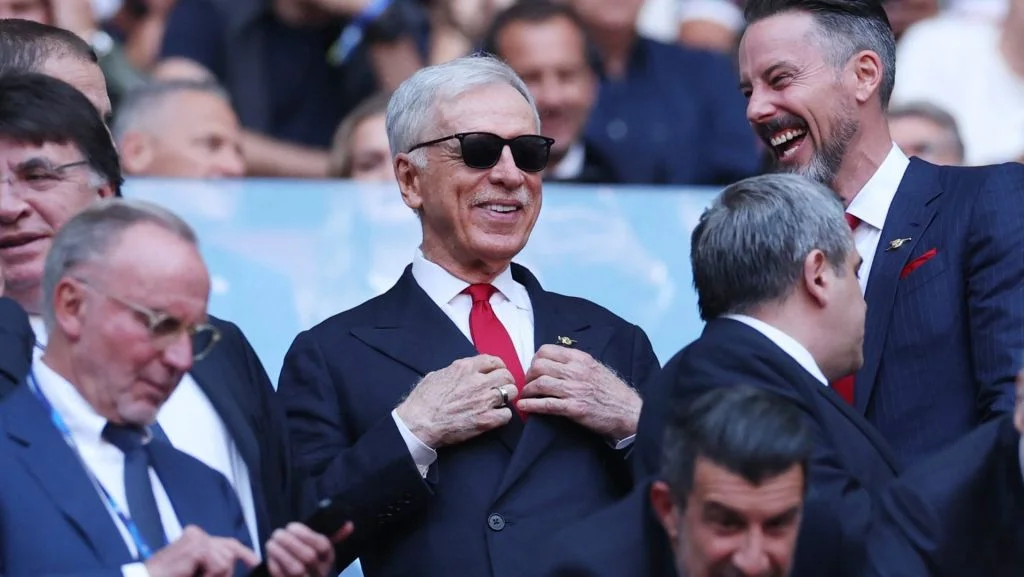
The landscape of MLB ownership is on the verge of a transformation, as Stan Kroenke's Kroenke Sports & Entertainment has announced a definitive agreement to purchase the Los Angeles Angels from Arte Moreno. This deal, set to be finalized in early 2027, marks Kroenke as the first individual to own a majority stake in teams from all four major U.S. men's professional sports leagues.
With an impressive portfolio that includes the NFL's Rams, the NBA's Nuggets, the NHL's Avalanche, MLS's Rapids, and even the Premier League’s Arsenal, Kroenke stands out not only as a multi-sport owner but also as the largest private landowner in the United States. He's already made waves in sports management, having developed SoFi Stadium in Inglewood, California. This venue has hosted the Super Bowl and pivotal World Cup matches, with more marquee events, including Super Bowl LXI and the 2028 Los Angeles Olympics, lined up for the future.
Record-Breaking Valuation
While the financial specifics of the Angels transaction were not disclosed, industry experts have placed the team’s value at a staggering $4 billion. This figure places it at the forefront of MLB sales, surpassing the previous record set by the San Diego Padres at $3.9 billion.
The sale comes after Moreno, who has owned the Angels since 2003, struggled with consistent performance and had previously considered selling the team, only to halt those discussions earlier this year. Under Moreno's ownership, the Angels have faced a dismal decade, marked by ten consecutive losing seasons and the absence from playoff contention since 2014. Despite housing baseball superstars like Mike Trout and Shohei Ohtani, the franchise hasn't won a postseason game since 2009.
Implications for MLB and Los Angeles Sports
The ramifications of Kroenke's acquisition extend beyond the Angels themselves. MLB has now witnessed its second sale of a controlling team interest within a year, following the high-profile sale of the Padres to José E. Feliciano and Kwanza Jones. This continuous shakeup in ownership adds a new dynamic to the league, reflecting broader shifts within the competitive sports landscape.
Moreover, the Los Angeles sports market is experiencing a wave of ownership changes. Recently, the Lakers transitioned ownership in a $12.5 billion deal. Such developments suggest a heightened level of investment and interest in maintaining competitiveness across franchises in the region.
Kroenke's entry into the Angels' ownership could herald a revitalization of the team. With the previous management under Moreno proving ineffective, it’s possible Kroenke's experience could lead to a more aggressive strategies aimed at building a competitive roster. MLB management should also brace for a notable shift in dynamics, particularly as the closing of this deal is poised to coincide with crucial labor negotiations involving the MLB Players Association, which may involve restrictions like a potential lockout.
The Road Ahead for the Angels
As Kroenke takes the helm, there's anticipation over how he will manage internal changes within the Angels. Recent moves made by Moreno, such as delegating baseball operations to John Mozeliak—a seasoned executive from the Cardinals—have set the stage for a possible overhaul of the club's structure and strategy. This fresh leadership could bring new talent acquisition methods and a more proactive approach to the roster.
However, Kroenke will also inherit challenges beyond the field. An ongoing complicated relationship between Moreno and the city of Anaheim regarding Angel Stadium redevelopment remains unresolved. Moreno's attempts to secure the city-owned ballpark as part of a larger redevelopment effort faltered amid allegations against the former Anaheim Mayor, raising questions about the future of the stadium and the team's local identity. The Angels' potential rebranding back to Anaheim—a move that is gathering political momentum—could be on the table for Kroenke shortly after the deal completes.
If he chooses to pursue a redevelopment project, it could complement existing initiatives like OCVibe, a development plan linked to nearby Honda Center, the home of the NHL’s Ducks. This intersection of sports and urban development in Orange County signals an ambitious future for Kroenke's stewardship of the Angels.
In Kroenke's understated words, “The Angels are a storied franchise in a great market. We look forward to an exciting future with the Angels organization.” His vision and operational strategy will soon take center stage as he seeks to revive a franchise that has struggled for relevance amidst the shadows of its star players.


