Side A · Liner notes
Stan Kroenke's $4 Billion Acquisition Sparks Future of Angels' Ballpark
Basketball · Words by Eric Fisher · Released
Stan Kroenke's record-setting purchase of the Angels hints at a possible new ballpark amid rising expectations and local political shifts.
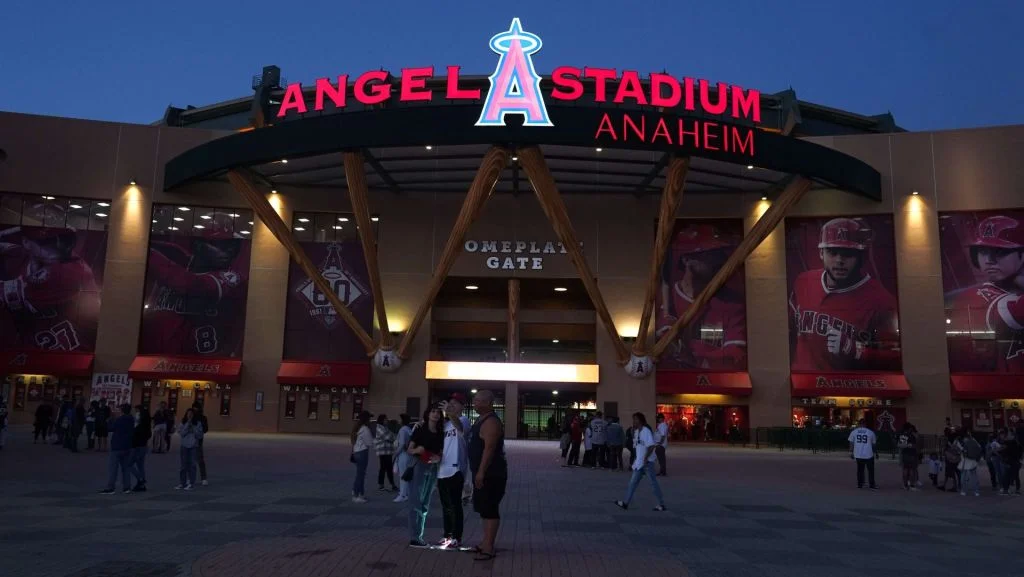
Stan Kroenke's monumental $4 billion acquisition of the Anaheim Angels, paired with the Angels Broadcast Television (ABTV), significantly alters the landscape for the franchise, igniting fervent speculation regarding a new stadium project. While no concrete plans are confirmed, the anticipation around Kroenke’s ownership is palpable.
Initially, Forbes reported that a $2.5 billion proposal for a new stadium was in the works, but they later retracted that statement, clarifying through a Kroenke Sports & Entertainment (KSE) spokesperson that the Angels are not prepared to advance with the project just yet. While the timing seems uncertain, the increasing pressure for a new facility is undeniable, especially with the deal poised to finalize in early 2027. Here are some compelling factors driving the conversation about a potential stadium replacement in Anaheim.
Age and Condition of Angel Stadium
Opened back in 1966, Angel Stadium holds the distinction of being the fourth-oldest ballpark in Major League Baseball. In stark contrast, notable venues such as Fenway Park, Wrigley Field, and Dodger Stadium have undergone significant renovations recently, enhancing their appeal. The strange absence of such nostalgia tied to Angel Stadium works against it. Unlike these iconic stadiums, Angel Stadium has not inspired a similar sense of historical reverence, fueling further calls for modernization.
The last major renovation occurred in the late 1990s, a project that introduced the stadium's striking outfield rock formation but did little to remedy its age-related challenges. Recent reviews have highlighted ongoing infrastructure concerns, a stark reality for a venue that’s seen better days. A recent incident involving rodent droppings found in a concession stand exemplifies the types of issues that have contributed to player and fan dissatisfaction alike.
Redevelopment Potential
Angel Stadium is uniquely positioned within a sprawling 130-acre area that predominantly consists of surface parking lots. This prime piece of real estate is currently controlled by the city of Anaheim, making it an attractive site for any future development efforts. Given the area’s density, the opportunity to revitalize and expand the nearby Honda Center with the OCVibe project serves as a prime example of the possibilities that this land offers.
Accessibility is another advantage; the stadium is conveniently located near three major freeways and a railway station, which would facilitate easier access for fans and help support any surrounding commercial development.
Existing legal agreements bind the Angels to a lease at Angel Stadium through 2032, with a possible extension until 2038. Still, the political atmosphere in Anaheim is shifting. Current Mayor Ashleigh Aitken has welcomed Kroenke’s ownership, comparing the departure of former owner Arte Moreno to a birthday, and has expressed a strong interest in re-imagining the stadium’s potential. Aitken’s enthusiasm might be a crucial factor in expediting discussions around a new ballpark.
A notable piece of legislation, known as the “Home Run for Anaheim Act,” recently signed by California Governor Gavin Newsom, offers an incentive for Kroenke and Anaheim by loosening existing restrictions under the California Surplus Land Act. This stipulation typically prioritizes affordable housing initiatives when selling or leasing public land; however, the proposed act provides a waiver if the team commits to reverting its name to the Anaheim Angels, reversing the unpopular shift made under Moreno to the Los Angeles Angels branding.
Fundamentally, this shift symbolizes a new chapter for the franchise—one steeped in hope for community and business revitalization under fresh leadership.
Kroenke's Real Estate Legacy
Stan Kroenke is no stranger to real estate ventures tied to his sports teams. His previous projects include SoFi Stadium in Inglewood, California, which represents a significant investment in the Inglewood area, and he is also involved in similar expansive projects surrounding the Ball Arena in Denver and the new Rams training facility in Woodland Hills. Given his track record, the emergence of a new stadium in Anaheim could very well become a reality.
Looking Ahead
As the team transitions into new ownership, fans and stakeholders alike will be eager to see how concepts progress and how this anticipated transformation will benefit the Angels and their supporters.
The future of Angel Stadium waits in suspense, but Kroenke’s ambitions may well lead to the reinvigorated ballpark that fans and local businesses have been dreaming of.
For more insights on sports business developments, visit Front Office Sports.


