Side A · Liner notes
Postseason Puzzles: AL's Elite Teams Face Tough Playoff Path
Basketball · Words by Eric Fisher · Released
The AL's top teams—Rays, Yankees, and Red Sox—are set for a grueling playoff, facing a fixed bracket that may favor lesser contenders' paths.
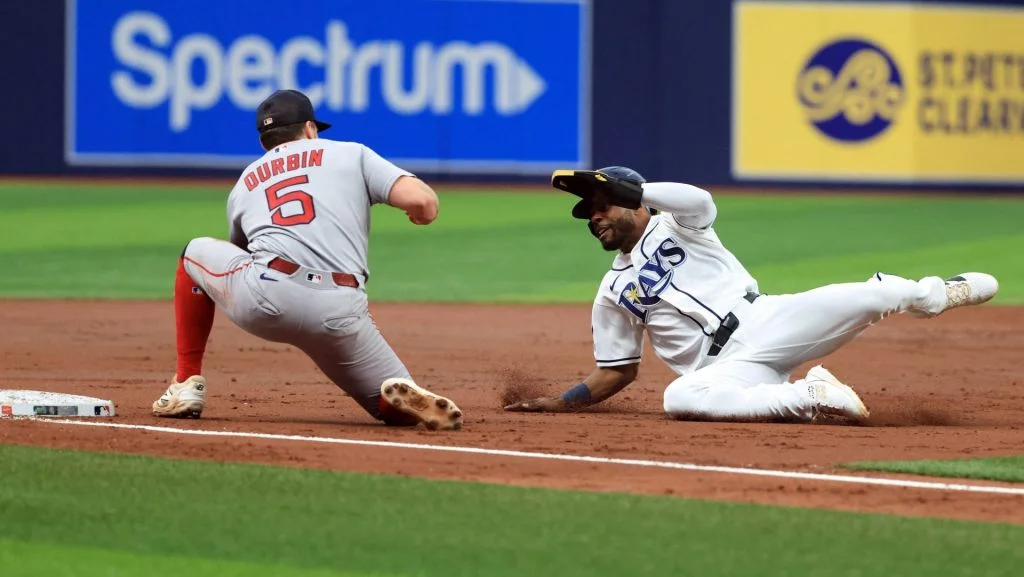
The Tampa Bay Rays, New York Yankees, and Boston Red Sox have dominated the American League throughout the 2026 season. Remarkably, only one of these elite teams will have the opportunity to progress to the AL Championship Series, a situation that breeds frustration and uncertainty as the postseason approaches.
This postseason format, implemented since 2022, is causing a rift that has fans and analysts alike questioning its fairness. It allocates the top three seeds in each league to division winners, rewarding teams that perform consistently well over the regular season. However, the fixed bracket setup means that formidable opponents are set to clash in the early rounds, thereby potentially eliminating top contenders before they can make a deep playoff run.
Next week, the Yankees and Red Sox, currently the 4th and 5th seeds respectively, will enter a best-of-three Wild Card series for the right to challenge the number one seeded Rays in the Division Series. This year, the Red Sox clinched their postseason spot after a remarkable second-half turnaround, catalyzed by a managerial shake-up following the departure of former manager Alex Cora.
A Competitive Disparity
As of now, the Yankees and Red Sox find themselves pitted against one another while holding substantially better records than teams with lower seeds, such as the Texas Rangers and Chicago White Sox, who are currently the 3rd and 6th seeds. The Rangers, leading the AL West, hold a record of 78-78, which raises eyebrows around the league. It's conceivable that Texas—or its divisional rival, the Houston Astros—could win the division despite finishing below .500, thus claiming home-field advantage in the Wild Card round.
This scenario isn’t merely an anomaly. If Texas stumbles or the Astros falter, MLB could witness its lowest-record playoff team, eclipsing the infamous 2005 San Diego Padres, who made the postseason with an 82-80 record. It’s a statistic that has implications for the integrity of the playoffs and raises concerns over how the format might need reevaluation.
This peculiar state of affairs has garnered attention not only within baseball circles but also from outside observers, such as Florida Governor Ron DeSantis, who openly criticized the format through social media. He highlighted the oddity of the current playoff structure, noting that fans could see two of the best teams clash early in the Wild Card, while lesser opponents could waltz through the postseason.
Comparing the National League
Across the league, the landscape appears significantly more conventional in the National League. Presently, the division leaders—the Milwaukee Brewers, Los Angeles Dodgers, and Atlanta Braves—each showcase superior records compared to the Wild Card contenders like the Chicago Cubs, San Diego Padres, and Philadelphia Phillies. This contrast reinforces the competitive imbalance currently plaguing the American League.
It's essential to note that this isn’t the first time the playoff format has sparked debate. In prior seasons, top teams benefiting from first-round byes have complained about the risk of losing momentum while waiting for their next matchup. The question arises of whether such concerns will influence future adjustments to the bracket. In 2023, three teams that posted over 100 wins during the regular season faced shock exits, failing to progress past the Division Series and leaving fans questioning the efficacy of this structure.
Looking Ahead
With labor talks ongoing between MLB and the Players Association, discussions on potential playoff changes for the upcoming season have emerged. If the currently set playoff structure comes under scrutiny during these negotiations, the landscape of postseason baseball could be primed for transformation. The management lockout, anticipated when the collective bargaining agreement expires on December 1, promises to bring significant changes, provided both sides can bridge the divides on many economic issues that plague current discussions.
In summary, the inevitability of a tough playoff path for the AL's most accomplished teams signals a potential shift in how success is measured in baseball's postseason. Fans and teams alike will be watching closely to see if the current system leads to a reevaluation of what defines a "worthy" playoff spot in the future.
The stakes have never been higher, as the peak performers of the American League are thrust into a battle that may undermine their hard-won achievements throughout the season. As these playoffs unfold, anticipate fireworks—but also a tantalizing debate about the very nature of competition in Major League Baseball.


