Side A · Liner notes
Ryan Smith Sets Sights on MLB Expansion for Utah, Ready to Make Moves
Basketball · Words by Eric Fisher · Released
Ryan Smith aims for a Utah MLB expansion franchise, pledging an aggressive approach following recent developments in the league.
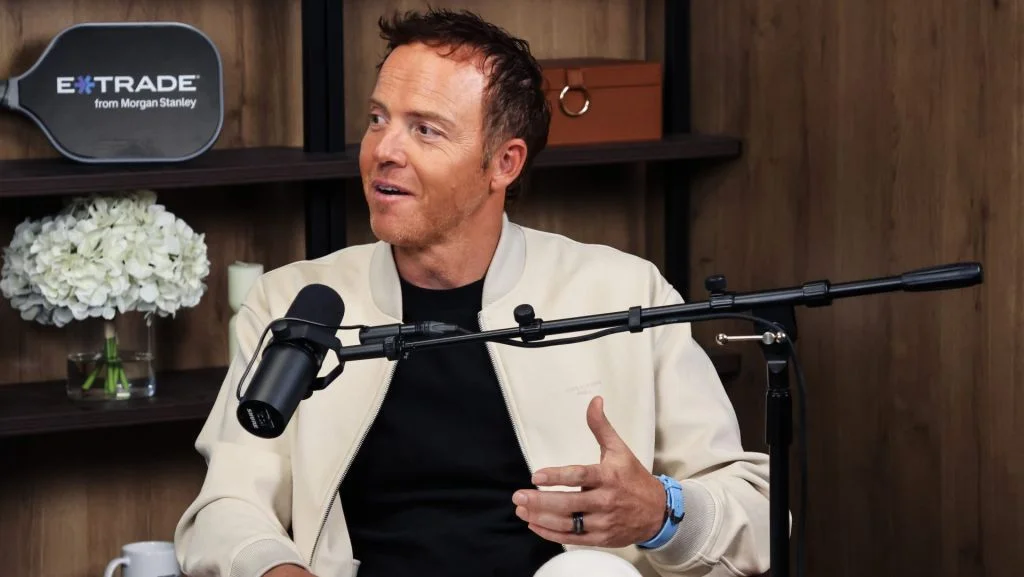
Ryan Smith, the owner of the NBA's Utah Jazz and the NLL's Mammoth, has set a clear and ambitious target for himself: to secure an MLB expansion team for Utah. In a recent discussion with Front Office Sports, Smith expressed his intent to pursue this goal with compelling fervor and a unique approach.
“Our group will be pretty aggressive in how we pursue sports,” Smith stated, referencing his strategy in acquiring teams and navigating expansion opportunities. Notably, he pointed out the swift acquisition of the NHL's former Coyotes franchise—a move that took just months. “Salt Lake’s ready for it, but if you saw how we operated with the NHL, it just happened,” he added, suggesting that the region is primed for Major League Baseball.
The current landscape of MLB expansion remains somewhat nebulous, lacking a formalized process. However, as the league moves past a turbulent labor situation with the MLB Players Association, interest in expansion is rapidly escalating. Factors contributing to this momentum include the resolution of stadium issues for teams like the Tampa Bay Rays and Oakland Athletics, which had previously stymied expansion discussions.
Financial considerations are also shifting. Following the staggering sales of the San Diego Padres and Los Angeles Angels for $3.9 billion and $4 billion respectively, the bar for expansion fees is likely to rise significantly. MLB Commissioner Rob Manfred emphasized the growing appetite for baseball across diverse markets in North America, stating, “When people want your product, I think it’s kind of incumbent on you to try to figure out a way if you can deliver that product to them.” This sets the stage for cities like Salt Lake City to make a substantial case for inclusion in MLB's future.
Competitive Landscape for MLB Expansion
Salt Lake City, alongside Nashville, has emerged as a top contender in the hunt for one of two anticipated expansion teams. Factors contributing to its candidacy include a burgeoning population, economic development, and strategic geographic isolation from existing teams and other contenders. The city’s growth trend implies a strong potential fanbase willing to support an MLB franchise.
Smith's recent sports acquisitions illustrate his commitment to building a comprehensive sports ecosystem within Utah. After taking ownership of the Jazz in 2020, he expanded his portfolio by securing the NHL franchise in 2024, rebranding it as the Mammoth. The teams currently share the Delta Center—a venue that Smith is renovating to enhance its functionality for hockey and other events. Both franchises boast strong business metrics, reflecting Smith's capability in nurturing successful sports organizations.
However, to clinch an MLB team, Smith may need to collaborate with The Larry H. Miller Company, the former owner of the Jazz and the leader of Big League Utah. This coalition aims to bring MLB and has backing from the company that owns the Triple-A Salt Lake Bees. Together, they’ve pinpointed a potential stadium site and secured $900 million in state funding to construct a new ballpark, which is crucial to fulfilling the requirements for an MLB franchise.
Major League Baseball's Future Direction
As the MLB navigates the waters of expansion, it’s also contemplating a significant shift in its geographical structure. Recent discussions indicate plans for a radical realignment that would depart from the traditional division format, aiming for a more geographically-based organization of teams. Such a move could revamp rivalries and enhance regional engagement across North America.
The last expansion in MLB history occurred in 1998 with the introduction of the Arizona Diamondbacks and Tampa Bay Devil Rays, making any future franchise’s launch a highly anticipated event. As discussions around granting franchises unfold, Smith's aggressive strategy could position him and Utah as pivotal players in shaping the next chapter of Major League Baseball.
Looking forward, it's clear that Ryan Smith intends to not only pursue but aggressively engage in securing an MLB franchise for Utah, bolstered by a growing local sports culture and substantial financial backing. The interplay between community support, strategic planning, and league readiness will shape how quickly this vision can become reality.
For now, the focus remains on maintaining the momentum in expanding and securing a successful future for MLB in Utah, making its case compelling amid the landscape of North American sports.
The development of Salt Lake City as a serious MLB candidate offers a fascinating glimpse into the future of baseball, with ramifications that could reverberate across the league for years to come.


