Side A · Liner notes
The Evolution of the Baseball Cap: From Field Gear to Fashion Staple
Baseball · Words by Matthew Roberson · Released
The baseball cap has transformed from a mere sport accessory into a cultural icon, reflecting American fashion trends and regional pride while achieving significant commercial success.
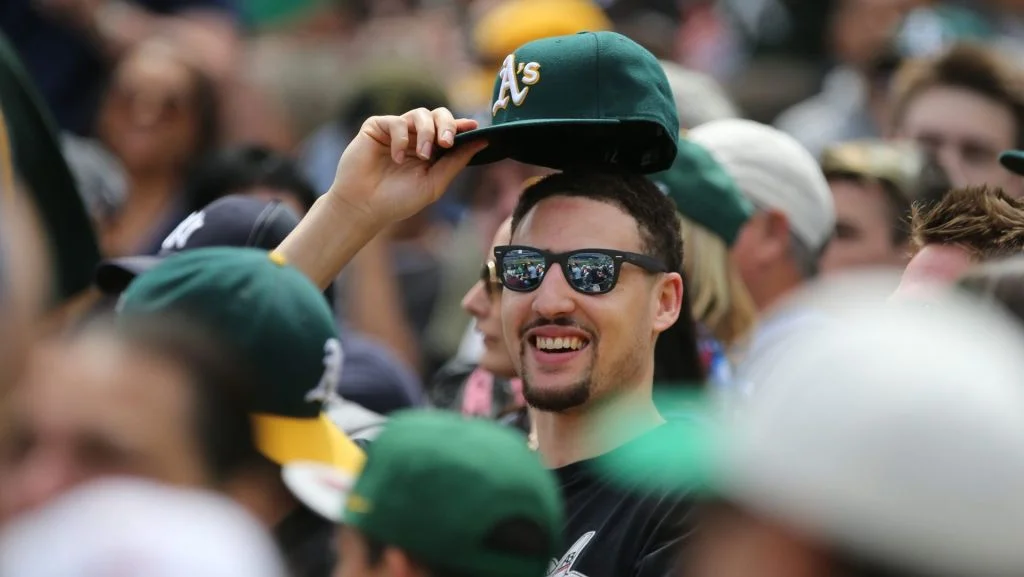
In the vast realm of sports equipment, few items manage to transcend their athletic origins as entirely as the baseball cap. While certain accessories like compression sleeves or hockey socks remain confined to the field or rink, baseball caps can be spotted in the most casual settings, from city sidewalks to crowded public transport. This widespread acceptance illustrates how the baseball cap has evolved, becoming a staple of everyday life.
The story of the baseball cap’s evolution into a ubiquitous fashion statement began with New Era, a brand that has defined the fitted cap, particularly the 59FIFTY model. In 1954, Harold Koch, the company's then-head and son of founder Ehrhardt Koch, recognized a pressing need for uniformity among baseball players. "He wanted them to look uniform, like military or firefighters or police," says Chris Koch, Harold’s grandson and the current CEO of New Era. This quest for consistency led to the creation of the iconic 59FIFTY cap, which was designed to ensure players all donned the same shape and style on the field.
The 59FIFTY cap quickly became recognizable in the American sports landscape, but it didn’t seize its iconic status overnight. New Era faced challenges in refining the cap to enhance comfort and functionality. Originally, players endured nine innings in hats that featured sweat bands made of leather—certainly not the most comfortable option. Over time, improvements in fabric technology led to the introduction of breathable blends, moisture-wicking capabilities, and more comfortable fitting, all while maintaining the cap’s fundamental design.
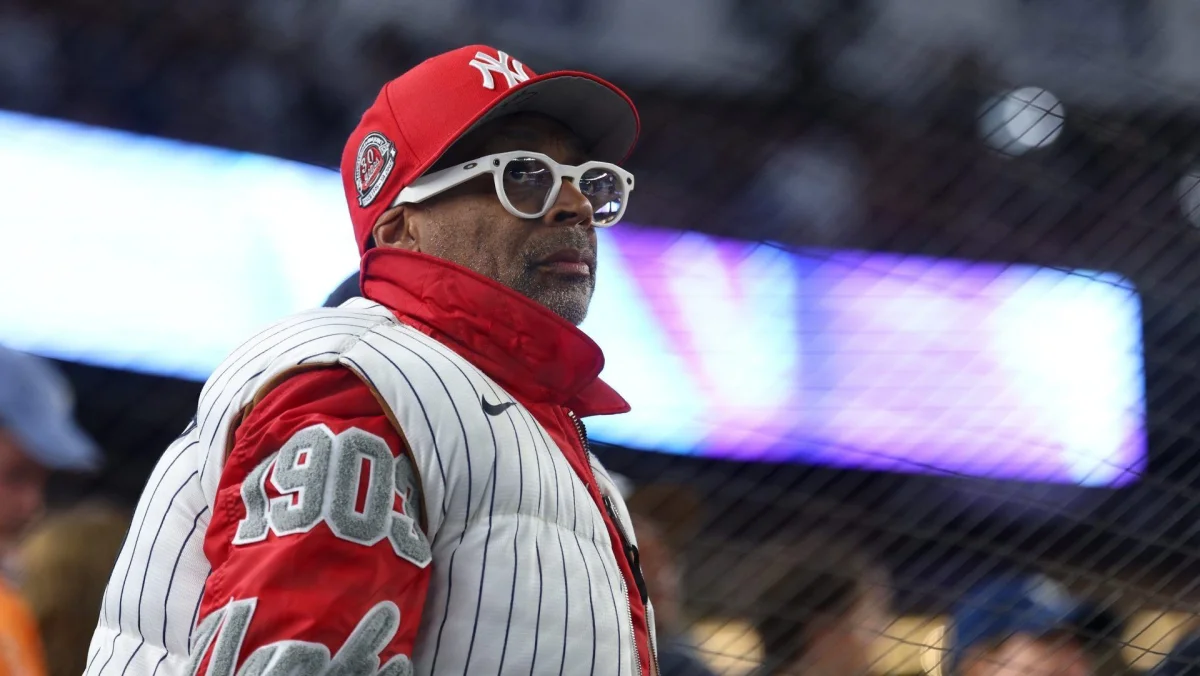
Today, New Era boasts over $2 billion in annual revenue, a testament to both the brand's close attention to detail and its successful connection with popular culture. This connection extends beyond baseball; icons like Jay-Z, Spike Lee, and 50 Cent have helped elevate the fitted cap into an essential item of casual apparel. Interestingly, the cap has become so deeply embedded in urban culture that many wearers only associate it as a "New York thing," rather than a signifier of Yankees fandom.
From Fitted to Casual: The Rise of the Dad Hat
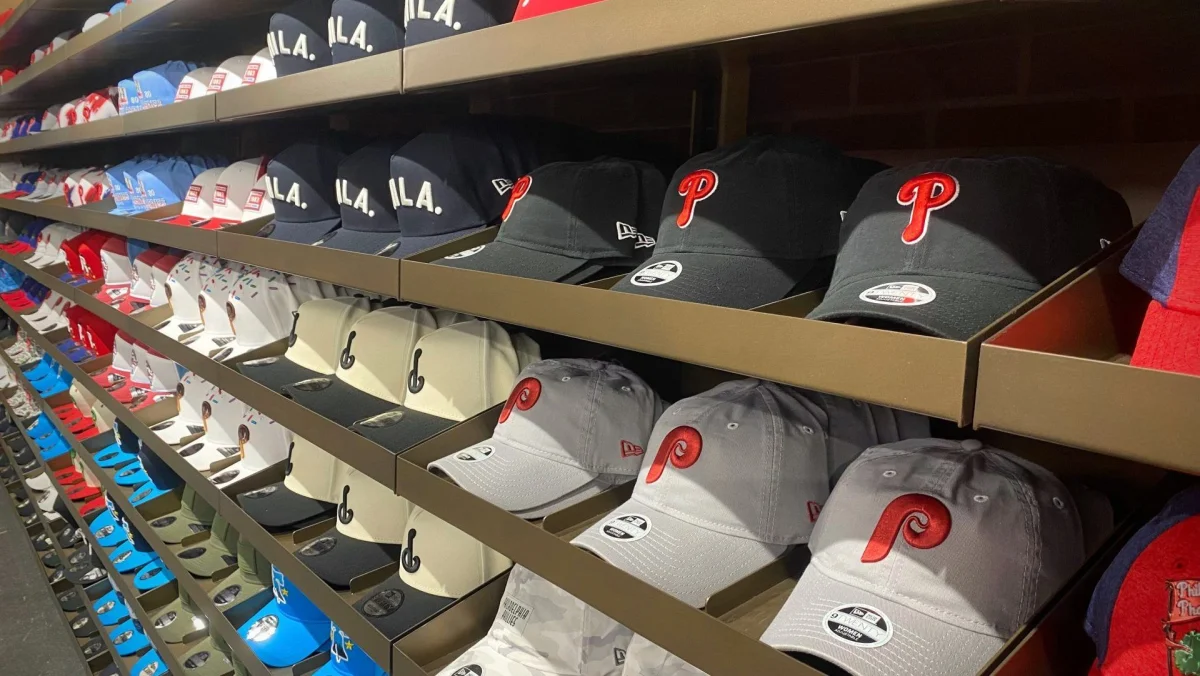
The appeal of headwear continues with the rise of the 'dad hat,' a softer, more casual alternative that has claimed its place in the wardrobes of families, celebrities, and sport enthusiasts alike. This style, characterized by its adjustable strap and relaxed fit, can be found on the heads of young parents in parks or nostalgic fans at games. The dad hat became a focal point for the brand '47, which New Era acquired in 2024.
The trend of dad hats can be traced back to the 1990s, when young people sought flexible styles that could adapt as they grew. Stores like Lids or Hat World became popular destinations, where kids would wear their hats in the shower or wash them to achieve a distressed look. This demand led to the creation of the closed-back Franchise Hat by '47 in 1996, a hybrid form that combined elements of fitted and adjustable hats. By 1998, the '47 Clean Up hat emerged, characterized by low-crown and curved-bill designs that solidified its status in streetwear culture.
“The trend has really taken off,” says Dave Zaleznick, GM of '47. “It’s by far the most volume that we do.” This style has been popular for years, and analysts have noted a staggering increase in online searches related to team-branded caps as fan fervor surges, especially during successful seasons.
Innovation Fuels the Market
Innovation has been pivotal for New Era and '47, allowing them to stay relevant amidst changing fashion tides. According to sports-retail analyst Matt Powell, having the official MLB on-field cap adds authenticity to these brands; however, it’s their ability to experiment and introduce fresh designs that ultimately bolsters their position in the market. The baseball cap serves as a broadly accessible fashion item, easier to pull off than more ostentatious styles like fedoras.
Yet, not all risks in design have paid off. New Era made headlines in 2022 when they released a capsule collection in collaboration with luxury brand Off-White, which featured fitteds riddled with holes and retailed for $260, inviting plenty of mockery. Similarly, in 2025, they faced backlash for an Overlap hat that displayed a design error—transforming the Texas Rangers logo into an unfortunate wordplay that quickly went viral.
While the internet jokes may sting momentarily, neither the company’s reputation nor sales suffered excessively from these missteps. With their flagship products remaining immensely popular, New Era has both the leeway and the audacity to reassert their dominance over competitors. “There really isn’t anyone else,” Koch states confidently. “You can name a brand, and it’s nothing.”
As trends come and go, New Era and '47 continue to explore new hat styles, including those with upside-down logos and a recent obsession with novelty rope-detailed caps. However, the longevity of these new innovations remains questionable. Powell suggests that the popularity of the rope cap has waned, while the trend of upside-down logos has caught on, attracting a distinctive yet specific customer demographic.
With both companies eyeing future collections for 2027 and beyond, they are keenly aware of the landscape forged by sportswear giants like Nike and Adidas while also monitoring designer trends. While it’s clear that sticking with a winning formula for classic caps continues to be a safe strategy, the appetite for innovation in headwear remains strong, driven by consumer demand for personalization and variety. Ultimately, the future will depend on how well New Era and '47 can adapt while staying true to the core appeal of their most beloved designs.
“We do get a lot of feedback on, why don’t you offer my team?” Zaleznick humorously notes, acknowledging the passionate demands from fans eager for their preferred caps.


