Side A · Liner notes
Brewers Take Advantage of Open Roof, Seize Control in NLDS Game 2
Basketball · Words by Dennis Young · Released
The Brewers capitalized on their open roof for Game 2 of the NLDS, building momentum following a controversial Game 1 win over the Padres.
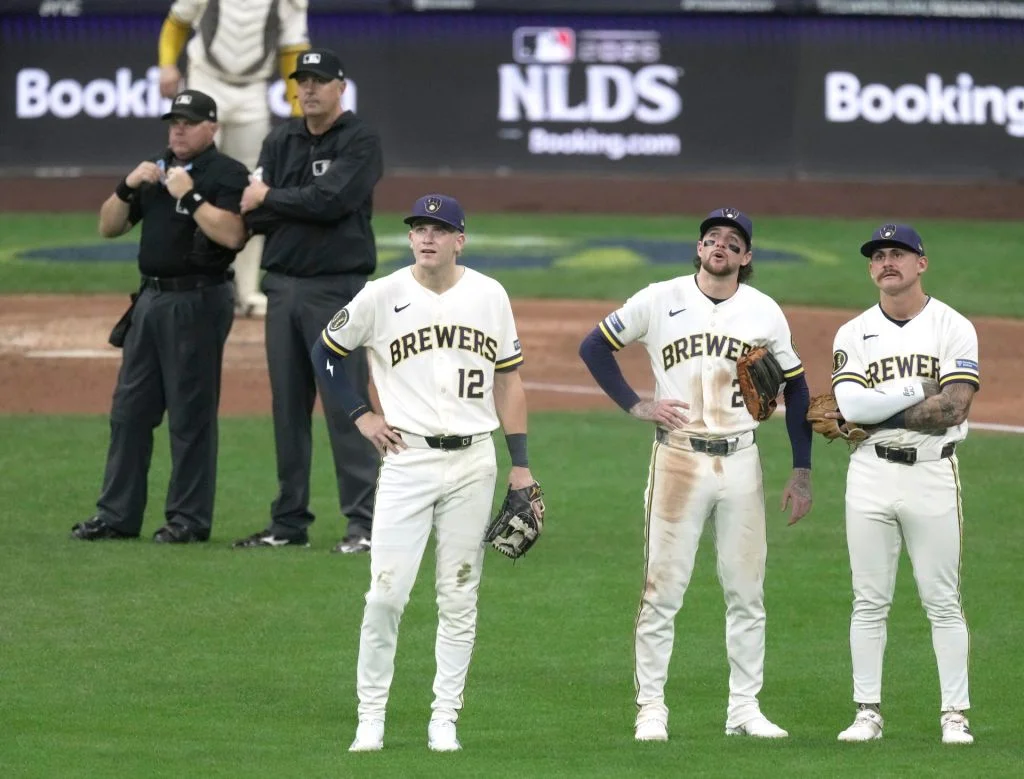
The roof at American Family Field has become an unexpected focal point in the National League Division Series (NLDS) between the Milwaukee Brewers and San Diego Padres. After a heated conclusion to Game 1—marked by a controversial play involving the roof—the Brewers opted to open the roof for the highly anticipated Game 2.
The announcement came through the Brewers' roof hotline, which provides daily weather updates and reveals the roof's status. For Sunday evening's matchup, fans learned that “the roof will be OPEN,” a decision that signals a shift in the atmosphere as the game unfolded. This choice not only affects fan comfort but also alters how players approach the game, making conditions feel more dynamic and unpredictable.
Reviewing Game 1's Controversial Moment
This follows a dramatic and contentious Game 1, where a pivotal moment arose in the ninth inning when Ty France hit a near-home run that instead collided with a section of the closed roof. The ball careened back into play, landing in the glove of outfielder Jackson Chourio for the second out. This led to confusion among viewers and commentators alike, especially around the rules concerning such unique occurrences. While the San Diego Padres challenged the call, arguing the ball was foul, their attempt was unsuccessful as Milwaukee's ground rules state that if a ball strikes the roof in fair territory, it remains live. Thus, the Brewers clinched a nail-biting 3–2 victory on their home turf.
Oh. My. Goodness. This ball hit by France looked to potentially be a go-ahead home run, but it hit the roof and was caught, and was ruled an out.
— FOX Sports: MLB (@MLBONFOX) October 4, 2026
The Impact of Weather and Roof Decisions
The decision to keep the roof open for Game 2 comes after MLB instructed teams to follow local weather protocols. While light rain had been forecast for Saturday, Sunday promised brighter conditions. This strategy not only helps with player comfort but also impacts the dynamics of gameplay, especially concerning how the ball behaves in the air. An open roof means players are dealing with natural elements, which can shift the trajectory of hits and fielding decisions.
Despite the unusual incident of the ball hitting the roof—an occurrence rarely seen in the league—Brewers’ third-base coach Matt Erickson indicated that organizers had prepared both teams for such an eventuality before Game 1 began. He recalled that the home-plate umpire took the time to clarify the unique rules about the roof's interference, stating, “I haven’t seen this in six years, but it’s definitely happening tonight.” This preparation added a layer of intrigue to the matchup, as players adapted to the unexpected impacts of their home field. The roof not only influences the physical elements of the game but also plays a psychological role, creating a more intense atmosphere for all involved.
A Strategic Edge Going Forward
Winning Game 2 allowed the Brewers to grab a potentially crucial 2-0 lead in the series, building momentum after the bizarre ending of Game 1. They showcased resilience, a trait vital in playoff situations, especially after a controversial loss that could rattle other teams. Securing consecutive victories at home places the Brewers in a strong position as they shift their focus towards the next stage of the postseason.
The Brewers are now poised to capitalize on that momentum. Historically, teams that win the first two games of a five-game series significantly increase their chances of advancing—a statistic that the Brewers will surely keep in mind as the series progresses. They’re riding on a wave of confidence from their recent performances at home, where they’ve cultivated a reputation for a formidable atmosphere combined with strategic depth, particularly on weather-related decisions. This is more significant than it looks; the mental shift from winning can bolster a team’s resolve and focus.
For the Padres, the challenge is evident: regroup and strategize effectively ahead of Game 3. They must make necessary adjustments to counter the Brewers' home advantages and address inconsistencies in execution if they hope to stay competitive in the series. The loss—coming after the disappointing conclusion of Game 1—could lead to mental hurdles if not managed properly. Players’ morale often mirrors their performance; if they can't shake off the lingering frustration, it could manifest in their game.
Looking Ahead: What’s at Stake?
The roof's opening serves as a metaphor for the shifting dynamics of this series. With the roof now part of the conversation, it highlights how external factors can dramatically influence playoff outcomes. The Brewers' ability to adapt, remain focused, and capitalize on their home-field advantage will be pivotal as they aspire to secure their place in the next round of the playoffs. And this is the part most people overlook: the psychological advantages tied to playing at home often extend beyond just familiarity with the park.
As for the Padres, every moment becomes critical in trying to turn this series around. They must confront the dual challenge of facing a confident Brewers team and enduring the electric atmosphere of an open roof at American Family Field. Adjustments and resilience will be key as they navigate these high-stakes games moving forward. The outcome of Game 3 could very well set the tone for the remainder of the series and dictate how each team responds under pressure. If you're working in this space, keeping an eye on how teams respond to the environment can give you insights into their underlying mental states.


