Side A · Liner notes
Jimmy Rollins on Team Chemistry's Underappreciated Role in MLB Success
Baseball · Words by Ryan Glasspiegel · Released
Jimmy Rollins emphasizes the crucial role of clubhouse chemistry in MLB success, advocating for its significance alongside analytics in team-building strategies.
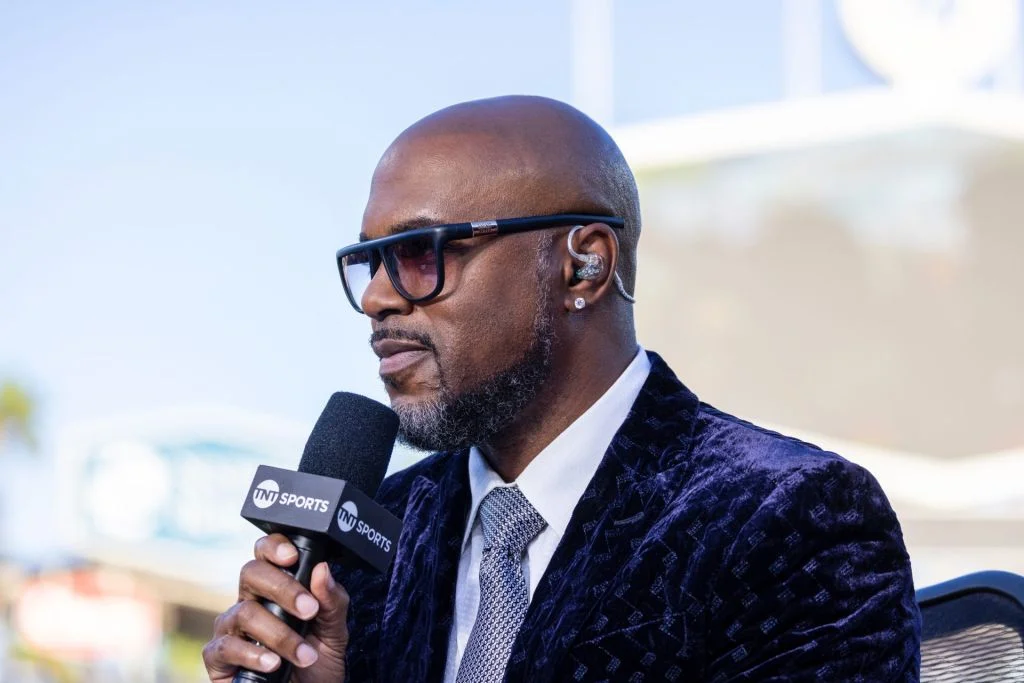
Jimmy Rollins, a key figure in TBS's MLB coverage for the ALDS and ALCS, recently shared insights with Front Office Sports about the White Sox's impressive season, the undervalued importance of team chemistry, and what the Phillies need to improve as they seek postseason success. He also reminisced about his time with Pedro Martinez and discussed his role in the Commissioner’s Ambassador Program aimed at enhancing baseball's outreach.
Clubhouse Chemistry: The Secret Sauce
When asked about what makes the White Sox successful this season, Rollins pointed out the magic stemming from their clubhouse chemistry. He drew parallels between the current White Sox and his Phillies team from 2006, emphasizing a shared belief amongst players that they could succeed despite external projections. "Why not us? Why can’t we?" was the sentiment he recalled feeling back then—a feeling he sees in the White Sox today.
Rollins highlighted the relaxed environment in the White Sox clubhouse, contrasting it with the usual pressure associated with playoff-bound teams. He noted how players, including Miguel Vargas, exude joy and a sense of freedom, suggesting they’re not burdened by the expectations that weigh down teams with higher payrolls. "They have nothing to lose," Rollins said, observing that the team's camaraderie allows them to thrive in high-pressure situations.
Analytics vs. Chemistry
As analytics continue to dominate MLB discussions, Rollins strongly believes that the emotional and relational aspects of the game are being overlooked. He argued that while data is valuable in constructing rosters, the real success lies in how players interact within the clubhouse. "You can assemble a team based on numbers, but if they don’t get along, it can lead to failure," he stated. Rollins lamented the shift in baseball dynamics, where analytics experts often overlook the intangible elements that forge strong team bonds.
He elaborated that successful teams share experiences and maintain a strong sense of camaraderie that’s difficult to quantify through algorithms. "Every good team has that: no one is off limits," he explained, reinforcing that a supportive environment where players back each other is essential for success. Rollins expressed concern that as baseball increasingly leans on analytics, teams may neglect these vital interpersonal connections that truly define winning clubs.
Comparing the Yankees and White Sox
Rollins was also asked about the differences between the Yankees and the White Sox, particularly in their team dynamics. While he acknowledged camaraderie within the Yankees, he felt they lacked the joy prevalent in the White Sox's clubhouse. The pressure on the Yankees to perform in a high-stakes environment, coupled with their fans’ expectations of championship success, can stifle player enjoyment. Rollins articulated that these burdens make it hard for the Yankees to maintain a relaxed playing atmosphere, in stark contrast to the White Sox's carefree spirit.
Memorable Moments with Pedro Martinez
In a lighter vein, Rollins recounted his funniest experience with Pedro Martinez when the legendary pitcher joined the Phillies. He vividly described the moment when Martinez arrived with noncompliant black shoes, which didn't match the team’s red color scheme. To ensure Pedro felt welcome, Rollins and the clubhouse staff humorously painted his shoes red, turning his initial fashion faux pas into a lighthearted initiation. "It showed him that it doesn't matter who you are; everyone is treated the same," Rollins reflected, underlining the importance of laughter and comfort within the team.
Phillies' Path to Playoff Success
Looking toward the Phillies’ future, Rollins outlined critical areas requiring attention if they aim for deeper postseason success. Top of his concerns was bolstering the bullpen. While he noted the effectiveness of closer Duran and highlighted promising starters like Sanchez, Luzardo, and Wheeler, he pointed out the need for reliable arms to contribute in crucial late-game situations. Rollins stressed that the Phillies have faced challenges bridging the late-inning gaps to secure victories, a point that could be pivotal going forward.
On the offensive side, he critiqued the Phillies’ left-handed-heavy lineup, urging for more right-handed power to balance the attack. Rollins underscored the importance of having hitters who can both put the ball in play and minimize strikeouts, essentials for postseason success. He also touched upon the need for improved basic baseball skills, such as base running, suggesting that these are straightforward issues that can be addressed but require focus and commitment from the team.
Expanding Baseball's Reach
Finally, Rollins expressed enthusiasm for his involvement in the Commissioner’s Ambassador Program alongside fellow former player Ryan Howard, aimed at connecting retired players with the game and its communities. He likened the experience to having an "all-star team” that allows former players to share stories and engage with fans without the pressures of competition. These encounters, such as their recent trip to Japan, have enabled Rollins and Howard to deepen their understanding of the sport's business side while maintaining their ties to players and fans.
Rollins conveyed that the program helps ex-players navigate transitions from on-field roles to administrative positions, ensuring they remain actively involved in baseball. In his view, establishing this connection is crucial for the continuity and growth of the sport. "It’s almost like ESPN’s old ‘Where are they now’ features," he said, emphasizing the need to keep former players engaged with the game and each other.
Through his experiences and insights, Rollins not only highlights the importance of chemistry in team dynamics but also promotes the need for an evolved understanding of player value in today’s analytics-driven baseball environment, encouraging a balance that honors the emotional ties that can propel teams to victory.


