Side A · Liner notes
MLB's Future: What a 154-Game Season and Team Expansion Could Mean
Basketball · Words by Eric Fisher · Released
Major League Baseball is poised for significant changes, including a proposed 154-game season and potential expansion to new cities like Salt Lake City and Nashville.
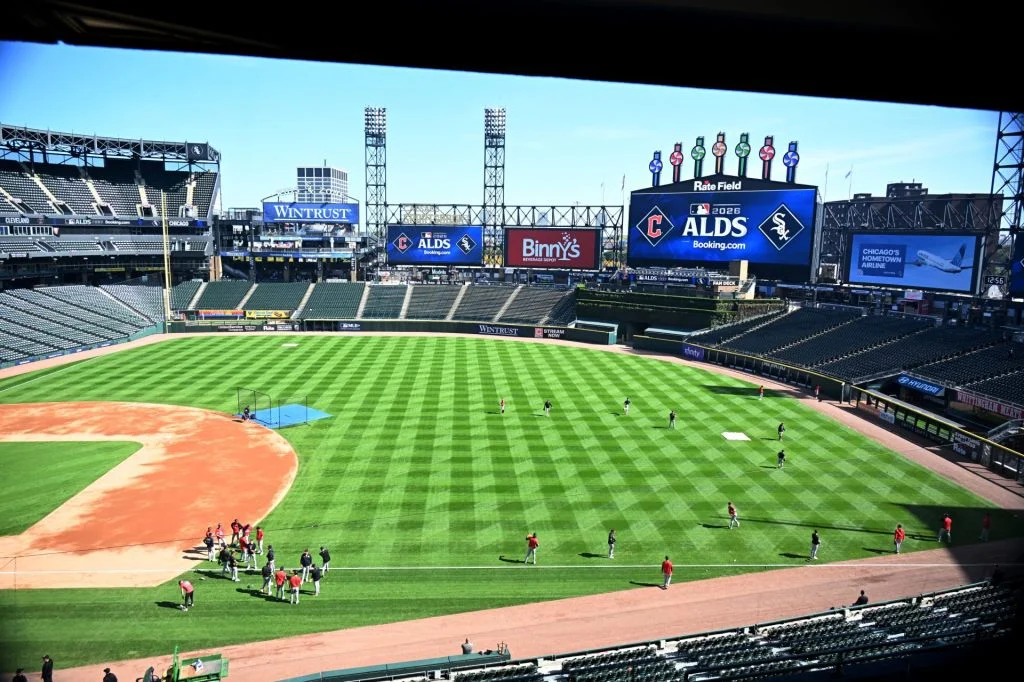
By 2031, Major League Baseball (MLB) is expected to undergo transformative changes, radically reshaping its landscape. At the heart of upcoming discussions are proposals that might include a 154-game regular season, expanded playoffs, and the addition of two new franchises.
Proposed Changes to the Regular Season
Team owners are advocating for reducing the regular season from 162 games to 154. This would not only increase the frequency of playoff games but could also enhance the overall quality of play by reducing player fatigue. In conjunction with this change, the league is looking at expanding its playoff format to introduce as many as eight additional postseason games. This expanded schedule aligns with the league's strategic goals of maximizing broadcast inventory, an appealing math for networks eager for postseason content.
Franchise Expansion Opportunities
The potential addition of two franchises would bring MLB to 32 teams, an idea that has gained traction in recent years. Salt Lake City and Nashville are currently at the forefront of this expansion conversation. Ryan Smith, owner of the Utah Jazz and Mammoth, has stated his intention to aggressively pursue a franchise for Utah, highlighting a strong local interest in MLB. Meanwhile, Nashville’s long-standing aspirations for a team underscore the growing demand in various markets that are eager to embrace America’s pastime.
Geographical Realignment
Another significant shift on the table is a proposed realignment that would abandon the traditional American and National League structure. This move aims to streamline travel schedules and improve broadcasting flexibility, particularly during the playoffs. By grouping teams geographically, MLB could optimize travel logistics, reduce costs, and create more exciting rivalries. This could ultimately lead to a more engaging viewing experience for fans.
Media Rights Overhaul
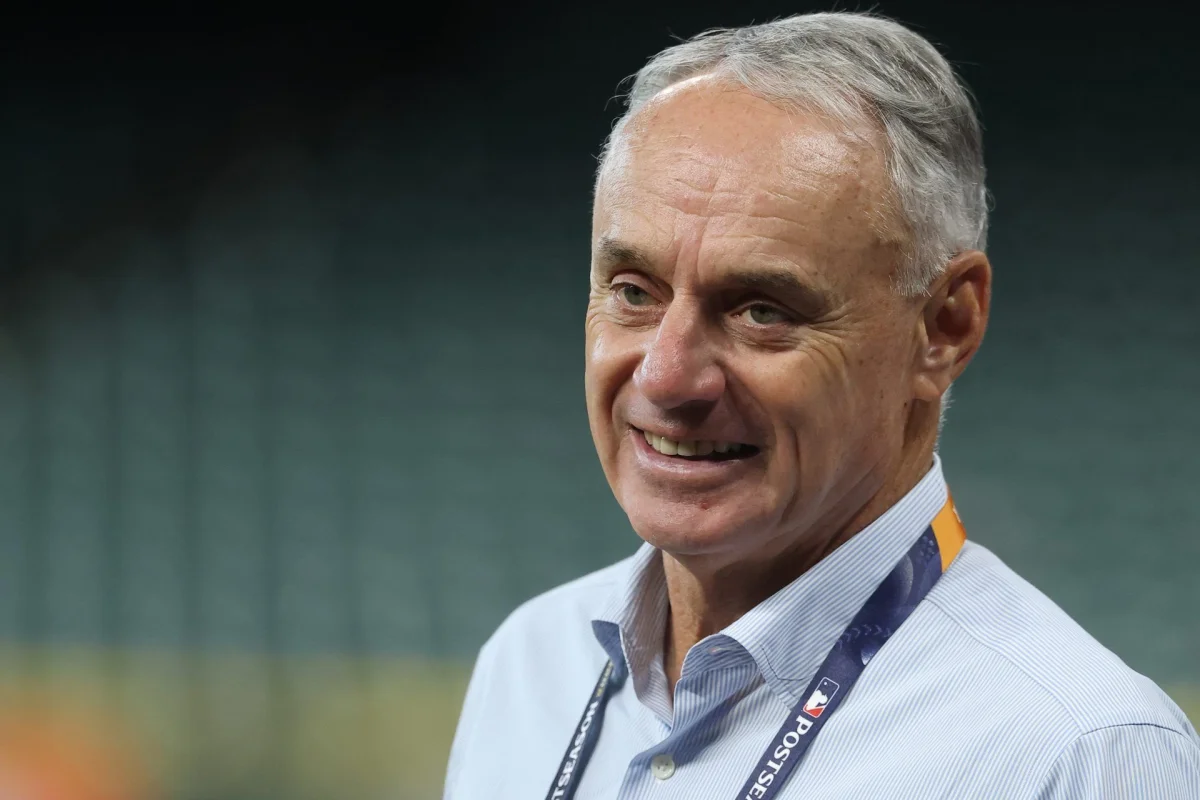
MLB is also preparing for a major reorganization of its media rights strategy, set to take effect after the current national agreements expire in 2028. Commissioner Rob Manfred has expressed plans to integrate national and regional media rights, which could redefine how fans engage with the sport. A more unified approach to broadcasting could lead to greater accessibility for fans while enhancing revenue streams for the league and its teams.
New Stadium Developments
Several new ballparks are scheduled to open in key markets, including Las Vegas, Tampa, and Kansas City. Each of these cities has a distinct baseball culture and offers unique opportunities for franchise success. For instance, Las Vegas has rapidly become a hub for sports entertainment, while Tampa’s new facility aims to boost fan engagement and attendance. The development of these stadiums is crucial to MLB’s growth strategy, as modern facilities can provide enhanced experiences for fans and attract new audiences.
Leadership Change on the Horizon
As these changes unfold, MLB is also eyeing a leadership transition. Rob Manfred's contract expires in early 2029, and his impending retirement raises questions about who will succeed him. Whether the league will opt for another internal candidate or look outside for fresh leadership remains to be seen. The complexities that have marked the end of previous commissions—ranging from abrupt retirements to contentious dismissals—have highlighted the necessity for a more streamlined succession process moving forward.
Labor Talks and Potential Challenges
Underlying all these proposed changes are ongoing labor discussions that could complicate their implementation. The owners' push for a hard salary cap has met significant resistance from the players’ union, which sees it as a potential threat to players' earnings. Coupled with a restructured reserve system and constraints on free agency, these proposals might derail the plans for a shortened season and revised playoff format. This contentious environment underscores the fragility of these ambitious proposals, with player pushback highlighting the challenges of balancing financial sustainability with player rights.
Adapting to Change
Despite the hurdles, MLB's direction appears focused on adaptation and growth. The reception of initiatives like the pitch clock and the Automatic Ball-Strike System (ABS) shows an evolving mindset within the league. These changes faced initial skepticism but have since gained acceptance, suggesting a willingness among fans and players alike to embrace innovation in the sport.
“Our ownership group has changed a lot,” Manfred noted at a recent media summit. “Today, owners say, ‘Explain to me how it’s going to drive my business.’ That’s a very different mentality.” This shift presents a compelling narrative for the future of baseball and reflects the league's commitment to evolving in a rapidly changing sports landscape.


