Side A · Liner notes
Daniel Farke Defends Michael Carrick Amid Manchester United Struggles
Football · Words by Chris Davie · Released
Daniel Farke backs Michael Carrick against recent criticism, praising his efforts at Manchester United despite a rocky start to the season.
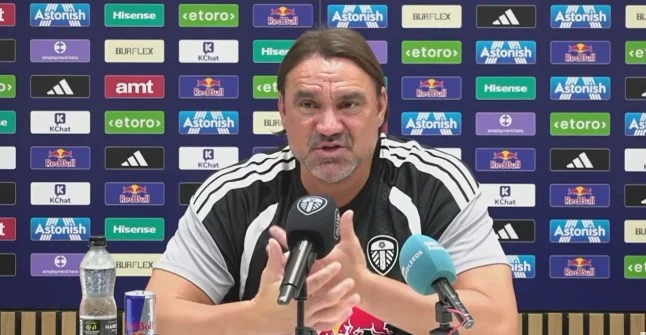
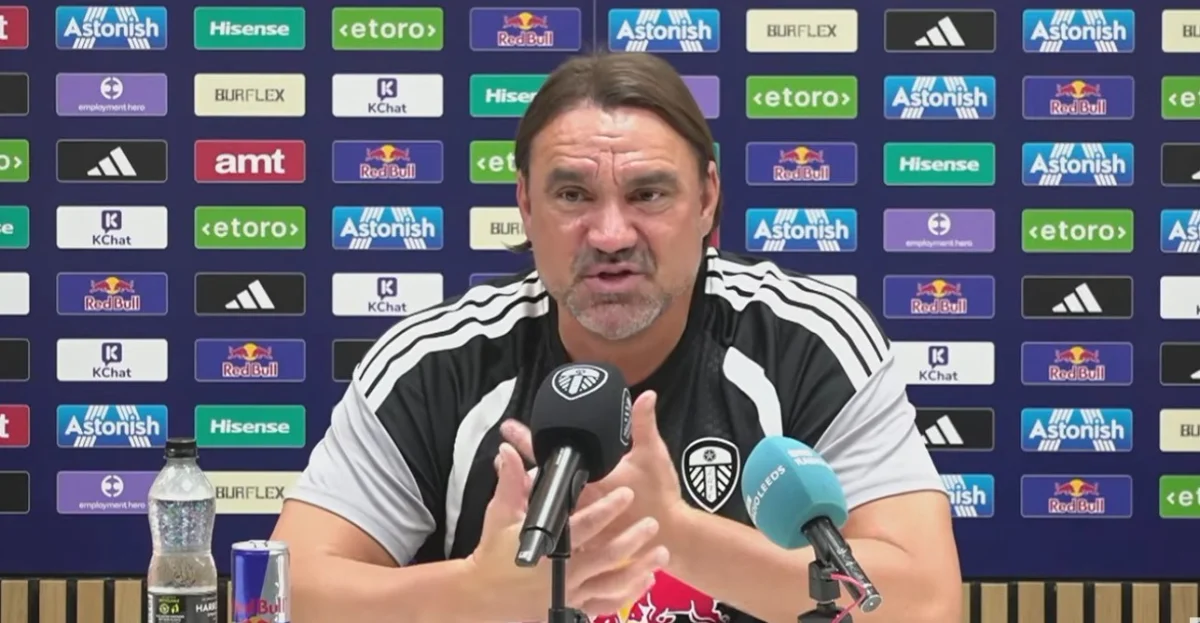
Daniel Farke has stepped up to defend Michael Carrick, asserting that the Manchester United manager has performed admirably despite mounting criticism following a sluggish start to the season. Farke, who speaks from experience as a fellow manager in the English football landscape, believes that societal negativity is affecting perceptions of Carrick's tenure at United.
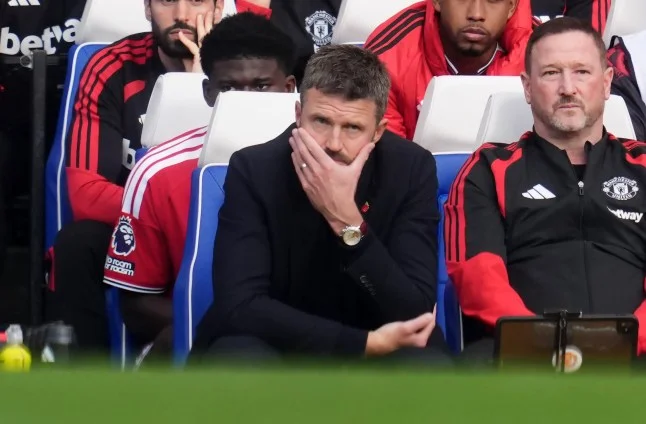
After taking over as interim manager in January following the departure of Rúben Amorim, Carrick orchestrated an impressive turnaround last season, leading United to a crucial qualification for the UEFA Champions League. However, the 2023-24 campaign has not unfolded as hoped, with the team managing only two wins out of their first nine matches, leaving them in the mid-table, far below fans' lofty expectations for title contention.
As questions over Carrick's future at United begin to surface, Farke insists that it's vital to offer support rather than scrutiny. "In football, as well as in society at large, there's a tendency for people to expect immediate results and to doubt quickly," he commented. Reflecting on the pervasive nature of criticism in the age of social media, he indicated that such negativity can overshadow the positive contributions of managers like Carrick.
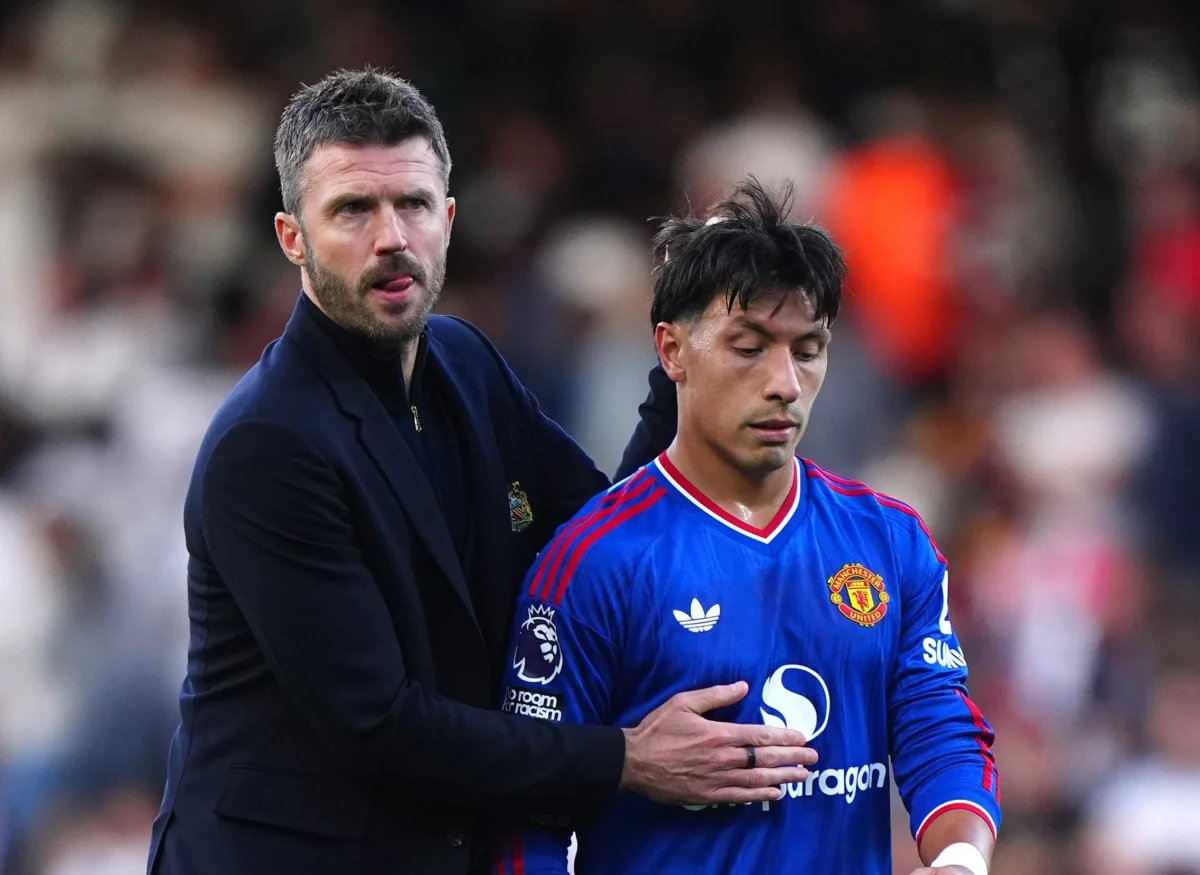
Farke underscores the importance of nurturing young managers, particularly English ones, who often face additional scrutiny compared to their foreign counterparts. "We don't see too many young English coaches in the Premier League," he stated. "It's essential that we support promising talents like Michael." He noted that Carrick's past as a long-serving player for United, coupled with his ability to stabilize the club during a tumultuous period, should afford him some patience from the critics.
Farke further emphasized that while the expectations at Old Trafford are understandably high, the early season results shouldn’t overshadow Carrick's commendable efforts last season. "After a few matches, it's premature to label the situation as horrendous," he remarked. "Fans naturally want the club to challenge for titles, but it's vital to evaluate progress over time." This perspective is particularly poignant given the usual ups and downs teams face in a long season.
Interestingly, Carrick's style is often compared to the approaches of other contemporary managers in the league. His adept approach to integrating youth and encouraging attacking football has often drawn praise, yet the pressure cooker environment of Manchester United can befuddle anyone at the helm, especially in the era of instant gratification driven by social media commentary.
Farke's defense mirrors a broader concern within football regarding the treatment of managers, especially in top-flight leagues where results weigh heavily on their professional futures. The tendency to dismiss or challenge coaches after brief periods without success often overlooks the longer-term vision and the rebuilding processes they may be implementing.
This narrative serves not only as a reminder of Carrick's achievements during his interim stint but also places a spotlight on the broader implications of immediate results expectations within football. It raises questions about how club cultures nurture or hinder managerial talent through the relentless pressure for quick wins. A strong start isn't always indicative of a successful campaign, as seen in various clubs over different seasons.
Ultimately, as Leeds prepares for their clash against Manchester United, this commentary can serve as a base for evaluating how clubs react to managerial pressures and the context surrounding their performances. Farke’s endorsement of Carrick calls for a shift in the conversation—demanding a more nuanced understanding of managerial roles rather than simple win-loss ratios.
Observing how Carrick responds to the ongoing scrutiny will provide insights not only into his managerial acumen but also how the culture within Manchester United progresses in light of these challenges. Key to Carrick’s future at the club may be the ability to instill confidence among players and the tenacity to ride through this storm of uncertainty.