Side A · Liner notes
Arteta Demands More From Arsenal Squad Amidst Competitive Landscape
Football · Words by Tony Mogan · Released
Mikel Arteta urges underperforming Arsenal players to train harder, emphasizing accountability as the club navigates a demanding season across competitions.
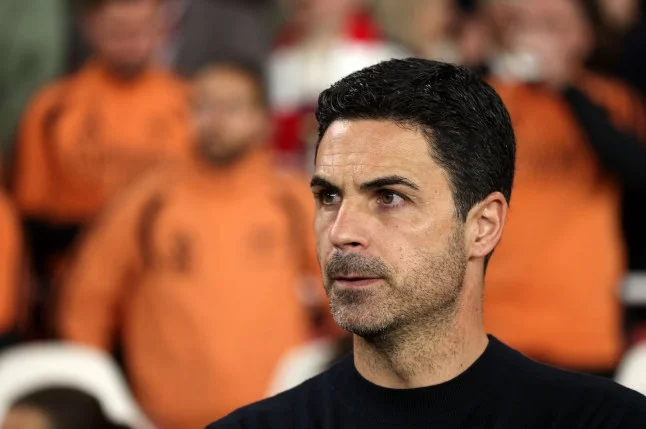
Mikel Arteta, the Arsenal manager, has made it abundantly clear that he expects more from players struggling to secure first-team minutes. In a direct message, he stated that any such player must “train more,” dismissing any excuses about lacking match rhythm. This no-nonsense approach reflects Arteta’s commitment to maintaining high standards as Arsenal tackles a challenging season across multiple competitions.
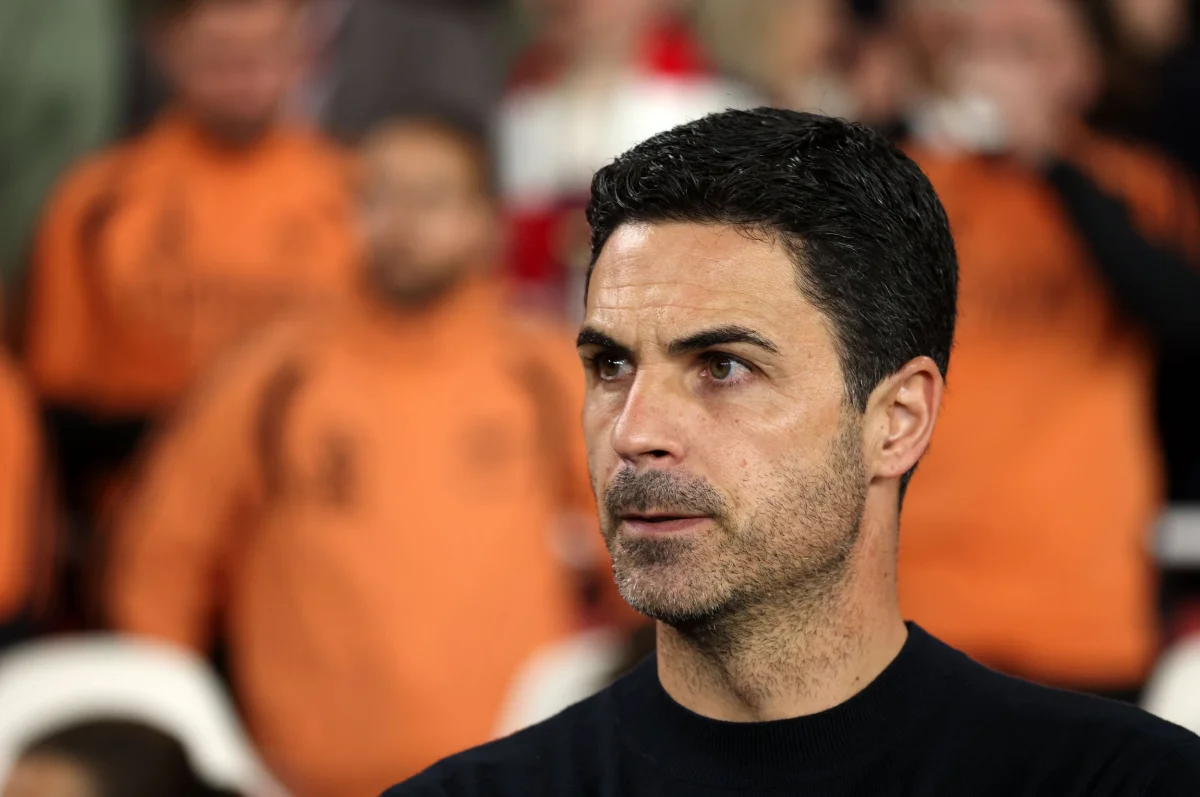
Arsenal has built one of the deepest squads in Europe, bolstered by signings like Ezri Konsa, Bruno Guimarães, and Christos Tzolis in a recent summer transfer window. While this depth offers tactical flexibility, it also creates a competitive atmosphere that players must navigate. With his first-choice lineup showing marked consistency—seven players have started all six Premier League matches so far—Arteta is not shy about rotating his squad in other competitions like the Carabao Cup and the Champions League.
Squad Selection and Tactical Strategy
Arteta’s tactical choices are pivotal as he seeks to balance squad rotation without sacrificing performance. In a midweek Champions League clash against Lille, Arteta opted for a rotated side featuring Mikel Merino and Viktor Gyokeres, but the two failed to make a significant impact before being replaced in the second half. Their lackluster performances prompted concerns regarding their preparedness and game-time rhythm, a point Arteta vehemently opposed.
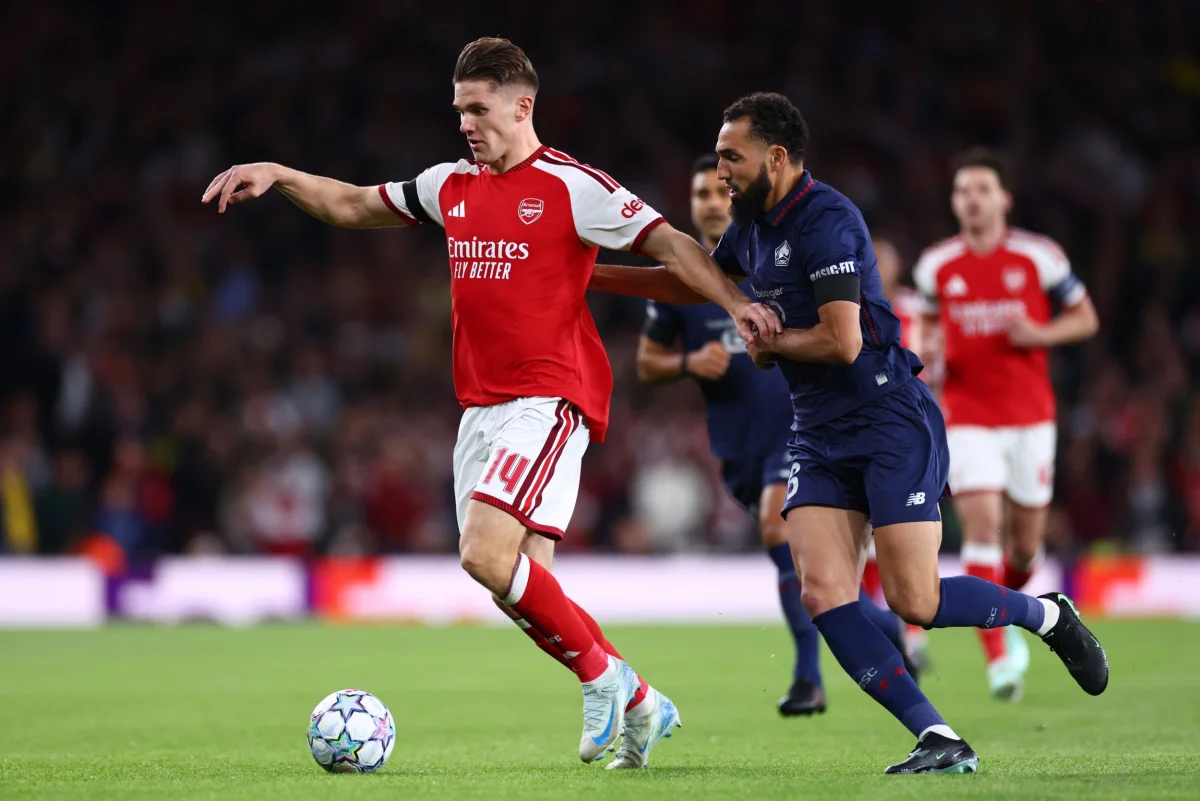
In a press conference following the match, he addressed the issue directly, stating, “They need to train more then.” This was a sharp repudiation of the suggestion that limited on-field experience could be a factor in their underwhelming performances. Arteta’s reasoning hinges on the expectation that all players should be ready to influence the team, regardless of their individual playing time.
Accountability Over Excuses
Arteta’s philosophy eschews the notion of excuses, particularly in a competitive environment where every player is a crucial part of the team’s success. He remarked, “What I don’t want is an excuse. ‘No but when I play I lack rhythm’. Yeah? So what do we do then? We send you on holidays?” This illustrates his frustration with mediocrity, pushing for players to embrace accountability in their roles.
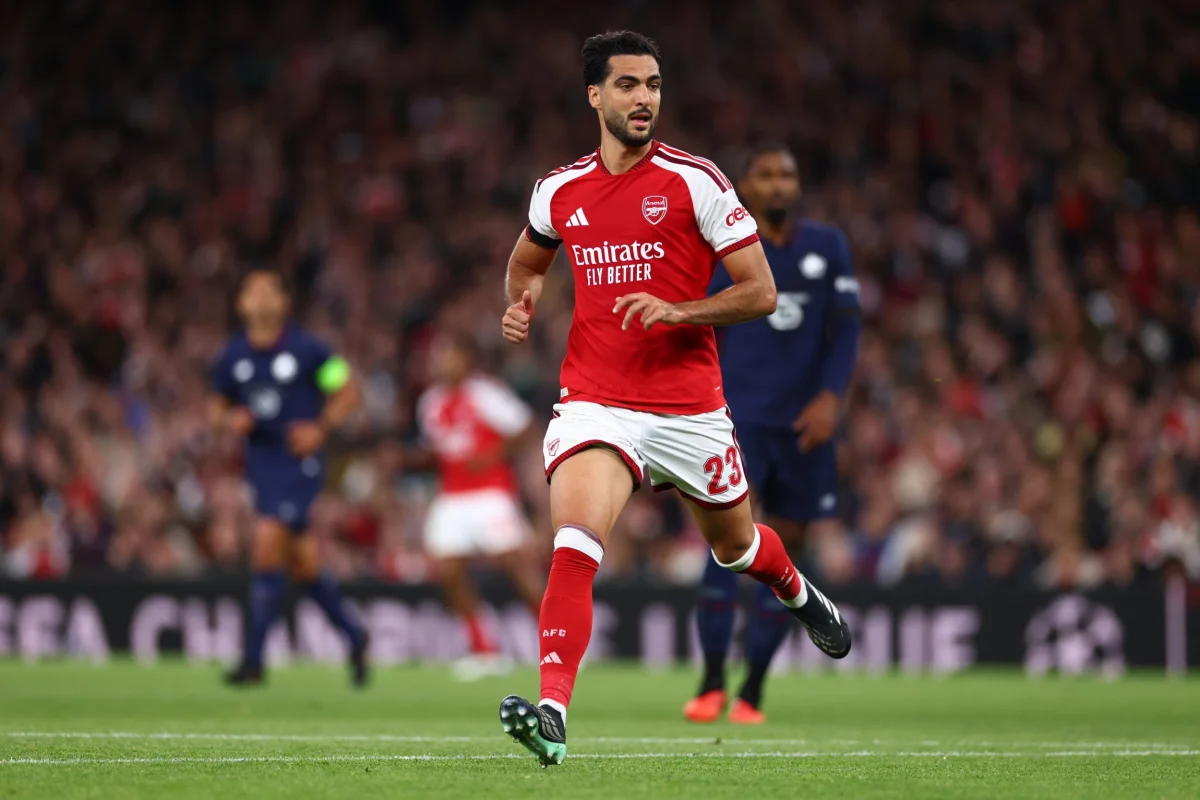
He continued, reinforcing the culture of responsibility he aims to instill: “So you play, you have to be available. When you don’t play, you have to make sure that you do everything you can to impact the team.” The underlying message is clear: complacency won’t be tolerated, and every member of the squad must exhibit the necessary commitment to uphold the team's competitive edge.
Impact on Player Performance and Team Dynamics
The pressure on players to perform consistently is augmented by Arteta’s assertion that their availability and quality are key to the team's dynamic. In environments like these, players must also navigate feelings of frustration and disappointment when not selected, but Arteta’s approach aims to mitigate this through a rigorous training ethic. He stated, “I don’t see any player that is playing that lacks rhythm or lacks this. Everybody is involved.”
This proactive stance is vital as Arsenal engages in a demanding season, including their pursuit of a top-four finish in the Premier League while competing in European tournaments and domestic cups. The necessity to maintain form and fitness is magnified within such a context, and Arteta’s emphasis on training reflects an understanding of the physical and mental tolls inherent in elite football.
A Look Ahead
As the season progresses, Arteta’s challenge will be to harmonize player minutes while ensuring that those on the periphery can eagerly contribute when called upon. With fixtures piling up, injuries sustained by essential players could necessitate rotation. This is where the depth of Arsenal’s squad will be tested, and the manager’s resolute message may foster a sense of urgency among all players to elevate their performances.
In conclusion, under Arteta’s stewardship, the Gunners embark on a season that requires not only skill but relentless effort. As they juggle multiple competitions, players must rise to meet the challenge, understanding that individual performances in training will dictate their chances on the pitch. This culture of accountability may define Arsenal's journey in pursuit of silverware this season.