Side A · Liner notes
Ainsley Maitland-Niles Stands Firm on Anti-Racism Gesture: The Implications Behind His Decision
Football · Words by Chris Davie · Released
Everton's Ainsley Maitland-Niles made headlines by opting not to kneel in the Premier League's anti-racism initiative, highlighting a growing debate around meaningful actions against racism.
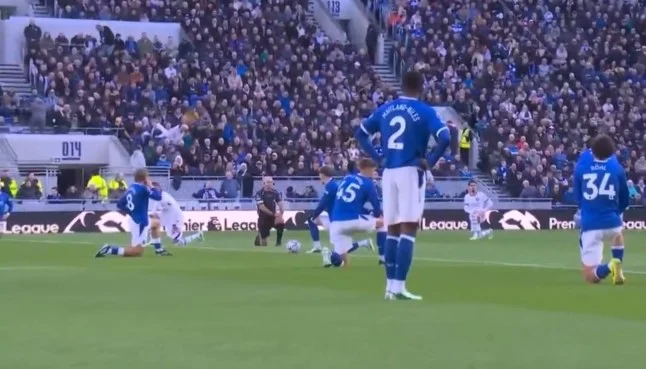
Everton’s defender Ainsley Maitland-Niles sparked significant conversation during the 'No Room For Racism' initiative on Saturday by refusing to take the knee before the Premier League match against Chelsea. This choice positioned him as the only player on the pitch not participating in the widely supported anti-racism gesture, an act that has become a staple of signaling unity against discrimination since its inception.
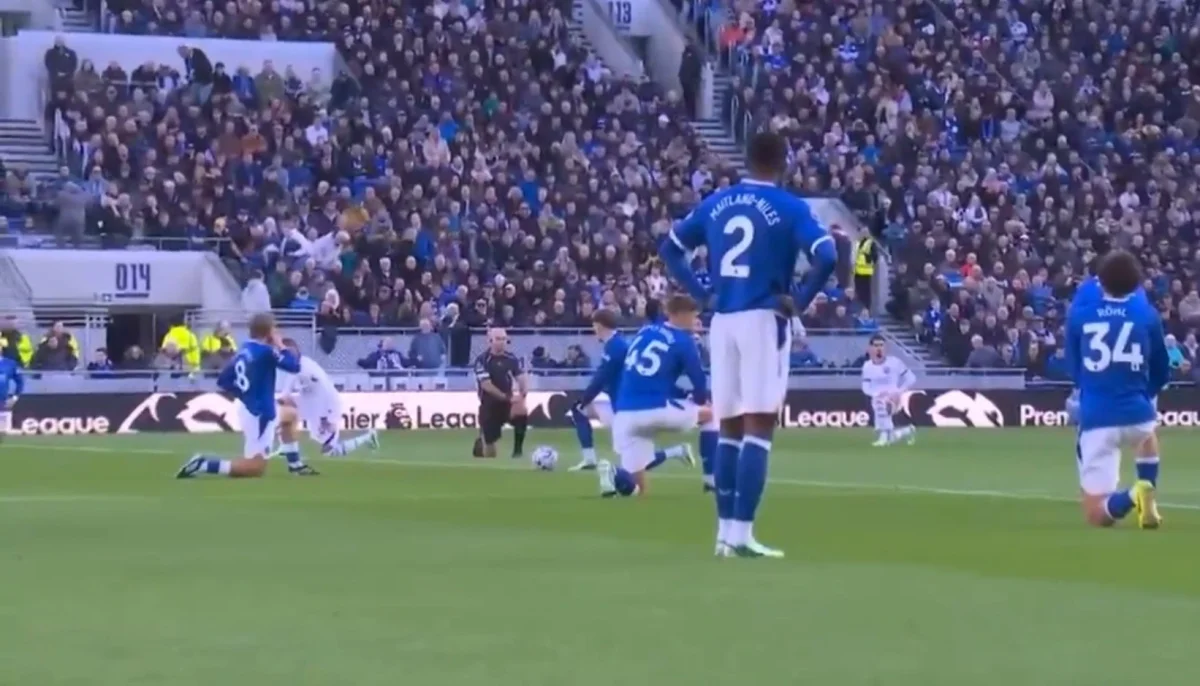
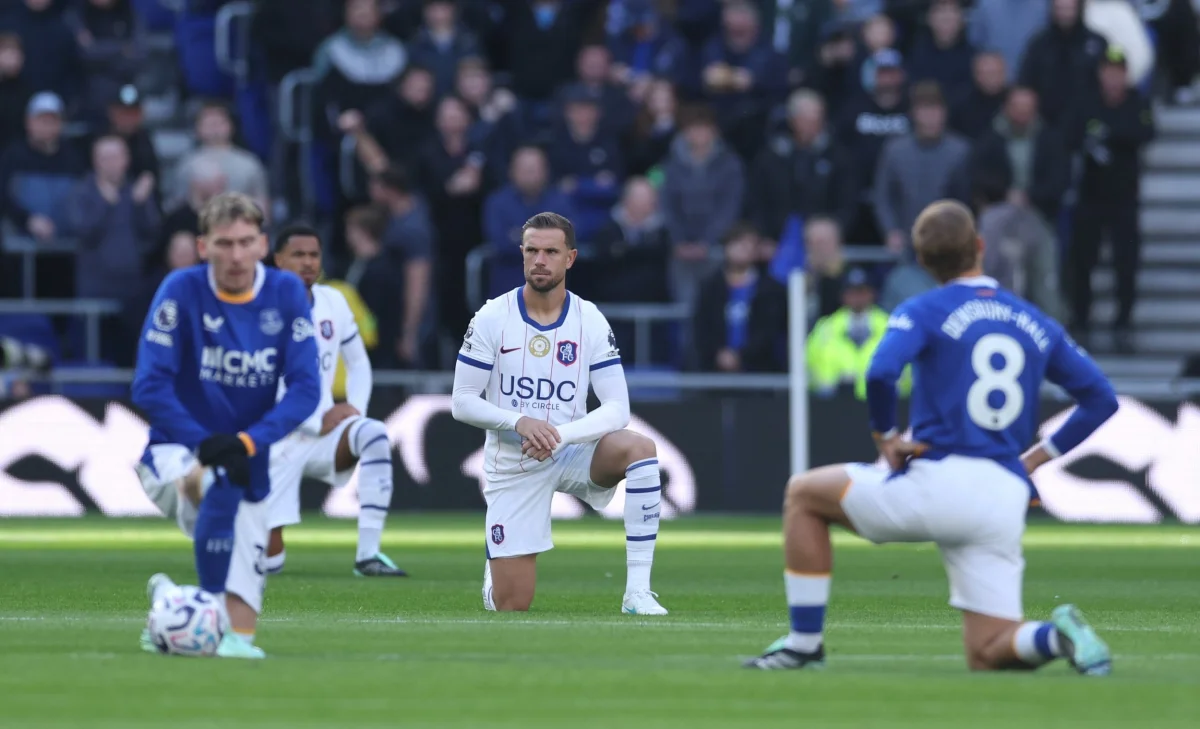
The Premier League, which previously concluded its 2022/23 season with players collectively kneeling before every match, has prompted this round of support again, stating that the gesture will continue until October 25. The League's statement emphasized its commitment to using the players' platform for change, highlighting ongoing discrimination issues within football and society at large.
Why Refusing to Kneel Matters
Maitland-Niles’ decision is not just a personal statement; it raises questions on the effectiveness of symbolic gestures like kneeling. There’s a growing sentiment among players that these actions are result-free. Former players like Wilfried Zaha and Ivan Toney have previously voiced similar frustrations, suggesting that continuing to kneel is merely performative, serving as a facade for a systemic problem that has yet to see substantial progress.
For Zaha, the act of kneeling conveys a sense of degradation, questioning why such submissions are necessary to affirm the worth of Black individuals. "Why must I kneel down for you to show that we matter?" he articulated, echoing sentiments among several players who feel that real change requires more than symbolic gestures. Similarly, Toney’s perspective emphasizes that continuous kneeling has not translated into actionable improvements in how racism is confronted in football and beyond. He summarized the feeling succinctly: "We have been taking the knee for however long now and still nothing has changed."
The Premier League's Response and Broader Context
The Premier League leadership, represented by Chief Executive Richard Masters, aimed to reaffirm their commitment to eradicating racism while appreciating the diversity within the game and its communities. Masters noted that “discrimination of any kind is unacceptable and will not be tolerated,” highlighting ongoing abuses faced by players. Yet, these declarations often lead to actions that feel disconnected from the very real experiences of players like Maitland-Niles and his peers.
Taking the knee was introduced as a response to the global Black Lives Matter movement, spurred by high-profile incidents of racial injustice. While it began as a powerful statement rooted in activism, the routine nature of kneeling before every match has diluted its perceived impact, raising skepticism about its effectiveness as a genuine measure against racism. The initial urgency for change that fueled this gesture now seems overshadowed by a sense of routine ritual, raising questions about the actual commitment to change on institutional levels.
Standing Out: The Implications for Maitland-Niles' Career
In the context of football, refusing to conform to collective practices can be a double-edged sword for an athlete's career. While it may align with personal or ethical beliefs, it can also draw negative attention or lead to isolation within the team. Yet, Maitland-Niles’ stance may also resonate with fans and fellow players who echo his frustrations about the lack of meaningful reforms. This nuanced understanding of representation versus effect is critical as players navigate their roles as both athletes and activists.
As the season progresses, this incident may influence dynamic conversations within dressing rooms nationally and globally. Players may gravitate towards a desire for more substantial actions against racial injustice rather than continued symbols that feel increasingly hollow. This shift could reshape how clubs engage with their players on the discourse surrounding racism and discrimination.
Looking Forward: What Comes Next?
Maitland-Niles setting his stance amidst the broader anti-racism narrative is pivotal. If more players adopt similar viewpoints, the Premier League may find itself at a crossroads: either revamping its current anti-racism strategies to foster genuine progress or risking alienation from the very individuals it seeks to represent and protect. As the league re-evaluates the effectiveness of its campaigns and gestures, the impact of Maitland-Niles’ refusal could lead to an essential pivot toward more direct actions and tangible outcomes.
The ongoing commitment to tackling racism in football remains a vital issue, with leaders in the sport knowing that continuing to address these systemic problems must go beyond gestures to create real change. For now, Ainsley Maitland-Niles’ refusal to kneel is a statement that might echo through the annals of football history, urging players, clubs, and leagues to strive for efficacy over symbols.