Side A · Liner notes
Manchester United's Midfield Dilemma: A Look at Their Transfer Strategy and Current Struggles
Football · Words by Tony Mogan · Released
Manchester United's summer transfer moves for midfielders reveal shortcomings and expectations given their troubling start to the season.
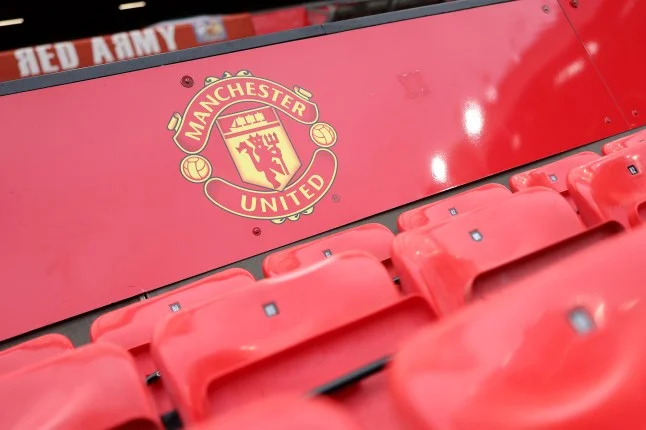
Manchester United's summer transfer strategy has come under scrutiny after the club signed two midfielders who were notably lower down their priority list. Following a promising previous season where the team secured a third-place finish and a return to the Champions League, expectations were high for this window. With the spotlight on bolstering the squad, particularly in the midfield, fans anticipated a more strategic approach to recruitment.

Missing Opportunities
However, the initial plan encountered significant hiccups. United's primary target was Elliot Anderson, who many thought would be a natural fit to replace Casemiro. Yet, Anderson opted for a move to arch-rivals Manchester City, driven by a massive £116 million fee reportedly offered to Nottingham Forest. This spike in competition left Manchester United scrambling. Missing out on their first-choice targets is more damaging than mere statistics suggest; it reveals a deeper instability within the club's recruitment strategy.
In a parallel narrative, Mateus Fernandes fell off the radar as well. United's early interest turned into a withdrawal as Spurs swooped in to secure the Portuguese midfielder from West Ham. Furthermore, the club harbored aspirations of landing Aurelien Tchouameni from Real Madrid, yet once again, that hope slipped through their fingers. The lesson? In today’s cutthroat transfer market, timing and persistence are everything. When clubs hesitate, others capitalize.
Current Signings and Their Inadequacies
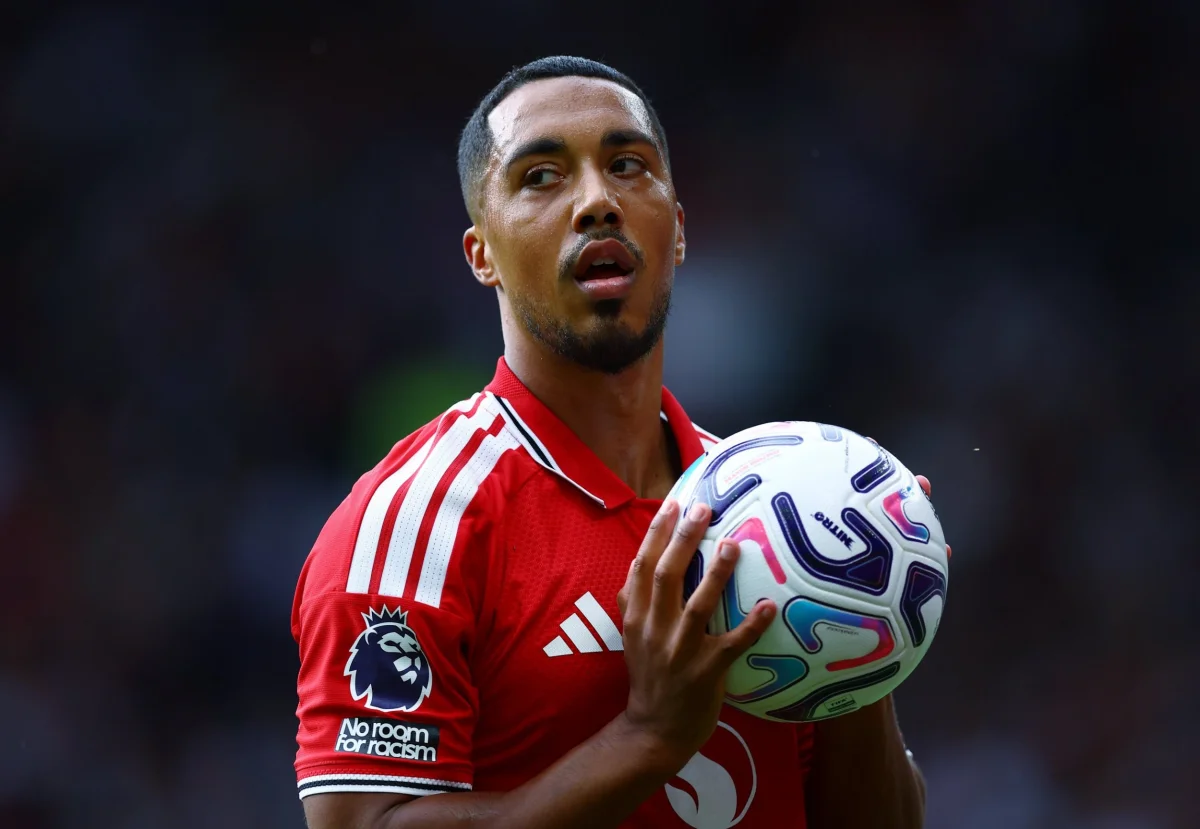
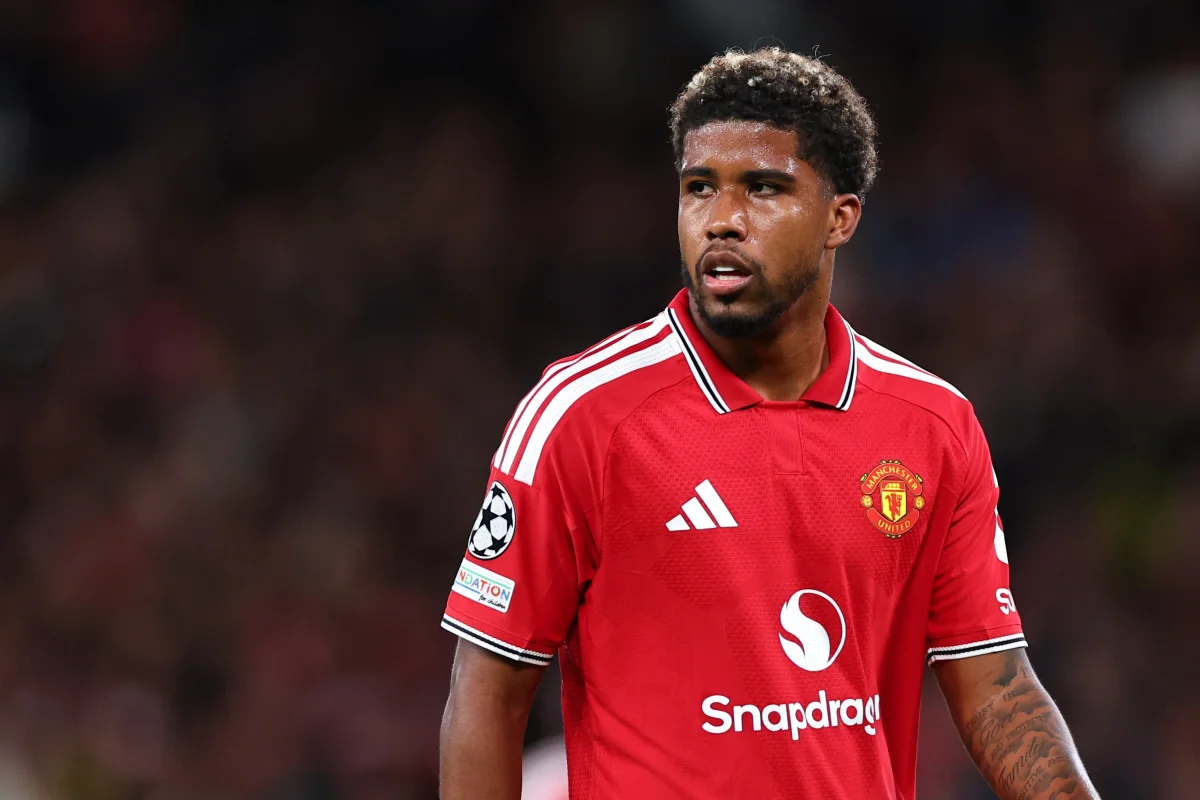
As options dwindled, United pivoted towards Andrey Santos, officially signing him from Chelsea for £48 million. Shortly thereafter, Youri Tielemans was pulled into the fold from Aston Villa for £35 million, activating his release clause. The last minute brought Carlos Baleba from Brighton for a hefty £70 million, but his debut was marred by an earlier ankle injury. The result? A flurry of signings that felt more reactive than strategic.
Despite these acquisitions, their impact remains underwhelming. United's Premier League season has started dismally, marking their worst opening in 40 years with only one win from six matches. The early performances of the new recruits have raised red flags among supporters and analysts alike. Are these players truly capable of stepping into key roles? The early evidence suggests a worrying disconnect between expectations and reality, a reality that players and coaches must grapple with.
Performance and Compatibility Concerns
Reports indicate that both Santos and Tielemans were, in fact, 'a long way down' Manchester United's wishlist. This doesn’t sit well against the backdrop of already evident struggles. Although Tielemans has been a consistent presence on the pitch, starting all six of United’s league games, Santos has struggled for meaningful minutes, boasting just 16 in the league since his debut. His failure to leave a mark raises wider questions about the scouting and evaluation processes within the club. How was a player passed over by many deemed an acceptable alternative?
These statistics and performances not only raise questions about recruitment decisions but also the tactical framework. The disconnect between the players brought in and the needs of the squad appears glaringly clear. United may have rushed their transfer endeavors, sidestepping deeper considerations of balance and fit. This has resulted in an unbalanced squad, grappling to find form or identity.
Looking Ahead: Implications for the Season
What lies ahead for Manchester United is fraught with challenges. The tactical woes and poor start signal a murky path. As the team seeks to recover, the adaptation and contributions of the new midfielders will be pivotal. Their performances will either mitigate or magnify the pressure on the managerial staff and board, who have some serious soul-searching to do after this transfer window.
Fans and analysts alike will be scrutinizing how these signings evolve within the squad, especially as the heat intensifies. The alignment of tactics with players’ strengths could be the key to reversing their fortunes. Past patterns suggest that clubs often face turmoil when unable to develop cohesion among new signings. So, what can you expect? Watching how Manchester United navigates these turbulent waters will be telling. Their future trajectory depends not just on these players scoring or assisting, but on their ability to integrate and gel within a fractured squad dynamic.
And this is the part most people overlook: any semblance of success hinges on the club management’s ability to evaluate not just talents in isolation, but their fit within a larger vision. How successfully United can sort through its current predicament might just define not only this season, but potentially several years to come.


