Side A · Liner notes
Gareth Southgate Exits Premier League Scene, Reflects on Diminished Joy of Football
Football · Words by David Jones · Released
Gareth Southgate rules out a Premier League return and reveals a disconnection with football, expressing a desire for a new life chapter following his England tenure.
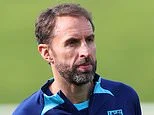
Gareth Southgate has made headlines by firmly stating that he won’t be returning to manage in the Premier League, reflecting a significant shift in his personal and professional life. The former England manager, who led the national team for eight years, shared insights into his current relationship with football during a candid appearance on “The Amol Rajan Connection” podcast.
After stepping down from his role with England following a heartbreaking loss to Spain in the Euro 2024 final, Southgate has distanced himself from the game. Notably, he has not attended a single match in nearly 18 months, a striking departure for someone who was once at the heart of the sport.
Last Days with England
Southgate’s tenure as England boss began as a temporary appointment in September 2016 following Sam Allardyce's resignation. His achievements include guiding the team to the finals of the European Championships in both 2020 and 2024, as well as leading them to the semi-finals of the 2018 World Cup. However, Southgate confessed that, towards the latter stages of his time with the national side, the joy usually associated with wins started to fade. His candid admission resonates with many in the sport: “Towards the end of my time with England, I stopped enjoying (it). For a period, the wins keep you going. By the end, I didn’t even enjoy the wins for any longer than a couple of minutes.”
This evolution of feeling represents a critical moment for football managers, reflecting the intense pressure and expectations placed on those in charge. It’s a common theme that many who ascend to high-profile positions in football eventually confront—how the very essence of the game can become overshadowed by results and survival necessities.
A Shift in Focus
Since leaving the England setup, Southgate hasn't simply followed a linear path back into club management. Instead, he has taken a step back, engaging with UEFA’s Technical Observer Group in an advisory capacity and releasing his book ‘Dear England: Lessons in Leadership’. This book likely combines his experiences, both triumphs and challenges, potentially providing insights to other coaches navigating similar pressures in their careers.
His reflections paint a picture of someone who has dedicated significant parts of his life to football, stating, “I’ve given a lot of my life to football. I’ve given every ounce I had.” He now finds himself in a position where he is eager to explore new avenues, illustrating a broader conversation regarding mental health and job satisfaction in high-stress professions like football management.
The Personal Toll of Management
In a world where success is often scrutinized through the lens of wins and losses, Southgate expressed a desire to orient his life beyond the highs and lows associated with the sport: “I’m not interested in survival... That doesn’t excite me.” His words resonate with many professionals who have faced the relentless grind of performance expectations, sparking discussions about the sustainable nature of long-term careers in high-pressure environments.
His last live experience of football was at the 2025 Champions League final, where Paris Saint-Germain triumphed over Inter Milan 5-0, and the 2025 FA Cup final, where his beloved Crystal Palace claimed their first major trophy by beating Manchester City 1-0. It’s noteworthy that such pivotal matches, while significant, haven’t spurred him back into the fray of active management. Instead, they serve as reminders of his past involvement in the sport.
Looking Ahead
Bolstered by his reflections, Southgate seems intent on redefining his relationship with football and perhaps stepping into roles that allow for a healthier balance of engagement without the shackles of performance anxiety. His narrative of stepping back could inspire other managers facing similar dilemmas, prompting them to evaluate what success really means to them amidst industry pressures.
Rumors have circulated linking him to clubs like Manchester United after his departure from the national team, but his resolute dismissal of these notions underscores a clear message: personal happiness and fulfillment now take precedence over traditional career trajectories in elite sports.
As he looks to the future, Southgate’s next moves remain uncharted, but they will undoubtedly emerge from his experiences, both on and off the pitch. For fans and practitioners alike, his journey serves as a vital reminder that in football, as in life, the path less travelled can often lead to growth and rediscovery.


